Select Page
10 things my children taught me

10 things my children taught me

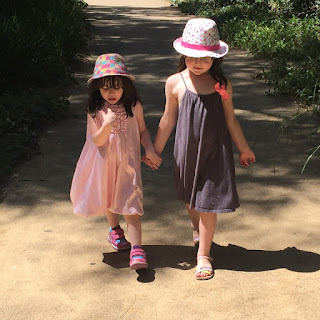
source: Pixabay

I am constantly amazed how much my children learn when they are away from me. I’m more amazed by how much they learn when they are with me, but that’s a whole other story.

We spend a lot of time worrying about what we’re teaching our children. Are we doing a good job or a bad job? Should we expose them to the news or keep them sheltered? Should we teach them about this or what until they know more about that? Are they making good choices? Are they making good bad choices? Did they hear that word from me or from someone else?

It’s a minefield.

But then at night when they are telling you things to prolong sleepy-time, you realise they are out there soaking up stuff that you haven’t even thought to discuss with them. Some if true. Some of it not so true. And some, some very close to true.

And there ‘aint nothing you can do about it EXCEPT HOLD IN THE LAUGHS.

This year the girls have told me about the following:

  1.  China’s no child policy – “You aren’t allowed to have babies in China so because Kate’s* parents wanted to have children they moved to Australia so they could have her and her sister. Which is lucky for us right? If they’d not been born we would never have met them. And I’m never going to be Chinese because I definitely want babies.”
  2. ‘Originals’ – “Before white people came on a boat only the ‘originals’ lived in Australia.  They were doing just fine but we gave them the flu and stuff.”
  3. Space – “The planets are Mercury, Venus, Earth, Jupiter, Mars, Saturn, Neptune and Uranus. And Pluto used to be a planet but isn’t anymore. They did tell me why but I didn’t really care”
  4. Precious stones – “My friend Ruby is named after a precious stone. And so is her brother. And she taught me the names of lots of them – Jade, Amethyst, Turquoise, Sapphire, Diamond and lots more. She knows a lot about stones but nothing about pet rocks.”
    source: Pixabay
  5. Volcanos – “Climbing up volcanos is a dumb idea because you’ll end up dead.”
  6. Beach safety – “Don’t swim with sharks. If they bite your leg off your leggings won’t fit.”
  7. Refugees – “John* said refugees lived in camps. I said he was wrong because camping was fun and you said that Australia isn’t very nice to refugees so they are definitely not in camps.”
  8. The secret to a good life – “The reason you need maths is because of life. If you don’t know maths, life will be hard. If you do know maths, life will be easy. If you’re only okay at it, it’s probably best to marry somebody who is good at it.”
  9. Cooking – “I’m going to be a chef Mum. I want to do really good cooking. Not like you and Dad.”
  10. Soccer – “We played soccer today. And I REALLY don’t get why people want to play it on Saturdays.”
What gems have yours offered up lately?
*Not their real names
If you want to see more of what goes on when I’m not writing this blog
follow me on Facebook, Twitter and Instagram

     
And sign up HERE to become a Franklophile and get the newsletter.

Yes, I apologise to my daughters

Yes, I apologise to my daughters

I have been known on more than one occasion to utter the following phrase, “I don’t care if my girls are as dumb as dogshit, provided they are kind and confident.”

Now I appreciate I’m no scientist and that for all I know dog poop could be full of sophisticated bacteria which will one day run the world, but I think you get my point.

And I still stand by it.

How clever my girls are is nothing to do with me – that’s nature. I can’t teach them to be smart. Nor can my husband. We can encourage a love of learning, we can support their teachers, we can teach them about discipline, help them access information – but ultimately, all we’re doing is giving them opportunities to achieve whatever potential is burbling away inside their brainbox already.

But the other two things – well they are much bigger and much harder.  We’re very much responsible for teaching our children to be emotionally intelligent. That kind of intelligence is based on what they see, what they hear, how they see emotions being processed, how we process events and information for them so it’s relevant contextually, how we relate to them, how we relate to each other, how we relate to others.

It’s huge.

And I entirely appreciate that worrying about my children’s emotional intelligence is something we can afford to do because we’ve got the basics (food, shelter, health, education) covered. That’s a privilege of which we are aware. Very aware.

I don’t want my children to be ‘nice’. I’m not a fan of ‘nice’. Being ‘nice’ is entirely subjective. It’s bland, it’s superficial. If the kindest thing you can ever think of to say about my children is that they are ‘nice’, we’ve failed.

We want them to be much more rounded individuals than ‘nice’. We want them to be kind. Kind is objective. Kind is actually understanding what is unkind, and why it’s unkind. Being kind is active thinking and proactive behaviour.

Kindness leads to confidence. Confidence is not arrogance. It’s an acceptance of oneself in all the complex, messy and contradictory glory that acknowledges that you are what you are, and that is perfectly okay. It is not to live without doubt, it is not to live without ambition, it is not to live without stuffing up sometimes.

Confidence is being able to live purposefully, talk about your feelings, acknowledge the negatives, have the courage to try new things, to fail and to try again, to not constantly compare or worry that you are not as worthy, not as good, as the next person. Confidence is knowing that you are loved for what you are, not how you do-or-don’t reflect on others.

Which is why I apologise to my daughters.

I don’t need to be perfect to my daughters. I don’t need to be better than them. I don’t need to be smarter than them.

I need to be honest with them. And by honest, I mean I need to admit that sometimes I’m an arse.

And that’s okay.

If I speak crossly or lack patience or behave badly, it’s not because of something they have done, it’s because as a human, I’ve been human.  And if I have hurt them by speaking crossly or upset them by being unkind, than it is my responsibility to acknowledge that fuck up and say sorry.

And mean it.

I can get my children to do what I want without being an arse. I know this because that’s mostly how it happens. Because, like all children, they are fundamentally good human beings just working it all out – little by little, day by day. Their default position is to do what they think is going to be the thing that makes you happy. If they’re getting that wrong regularly, chances are you may need to rethink your behaviour, not theirs.

I know not everybody agrees with me on this, including some of my friends. They think that discipline and boundaries are best defined more autocratically and they must be enforced no matter what.

My girls have discipline and boundaries, but fundamentally they are humans. They are going to make mistakes, push those boundaries, break the rules, be rude, misbehave, say bad words, do the wrong thing. For some adults, they do all those things just driving to work.

So why would I constantly hold the two most precious people in my world to a standard that I don’t constantly uphold?

There is not one person in the world that is the best version of themselves all of the time. Not one.

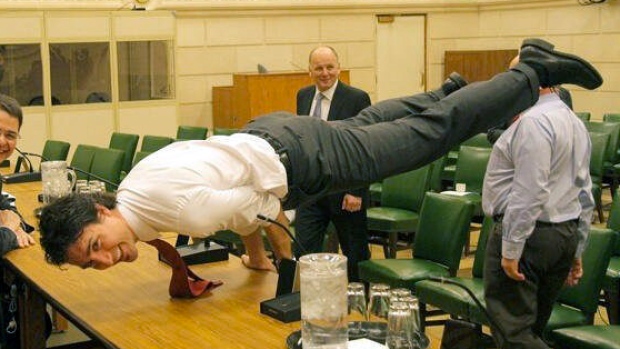
Not even Justin Trudeau.  Even in this picture.

So yes, I apologise to my daughters. I say sorry for yelling or being cranky or when I take my adult moods and responsibilities out on them, or even just plain get it wrong. Yes, I pick my battles. Yes, I let them make choices that I wouldn’t necessarily make for them. Yes, I let them run wild sometimes. Yes, I discipline them. Yes, I say no to them. Yes, I give them boundaries. Yes, I cuddle them even when their behaviour has been nothing short of contraceptive. I tell them I love them when they are being horrid, not just when they’re being super.

I don’t expect them to just know that I love them. I don’t assume it. I show them. I tell them. And then I tell them again. And then once more just to be sure.

For the only way I can make sure that my daughters grow up with the kindness and confidence that I so fiercely want for them, is for them to know that they are loved. All the time. Unconditionally.

And I’m not at all sorry for that. Not one little bit.

If you want to see more of what goes on when I’m not writing this blog
follow me on Facebook, Twitter and Instagram

     
And sign up HERE to become a Franklophile and get the newsletter.

World Vision and the ‘F’ word

World Vision and the ‘F’ word

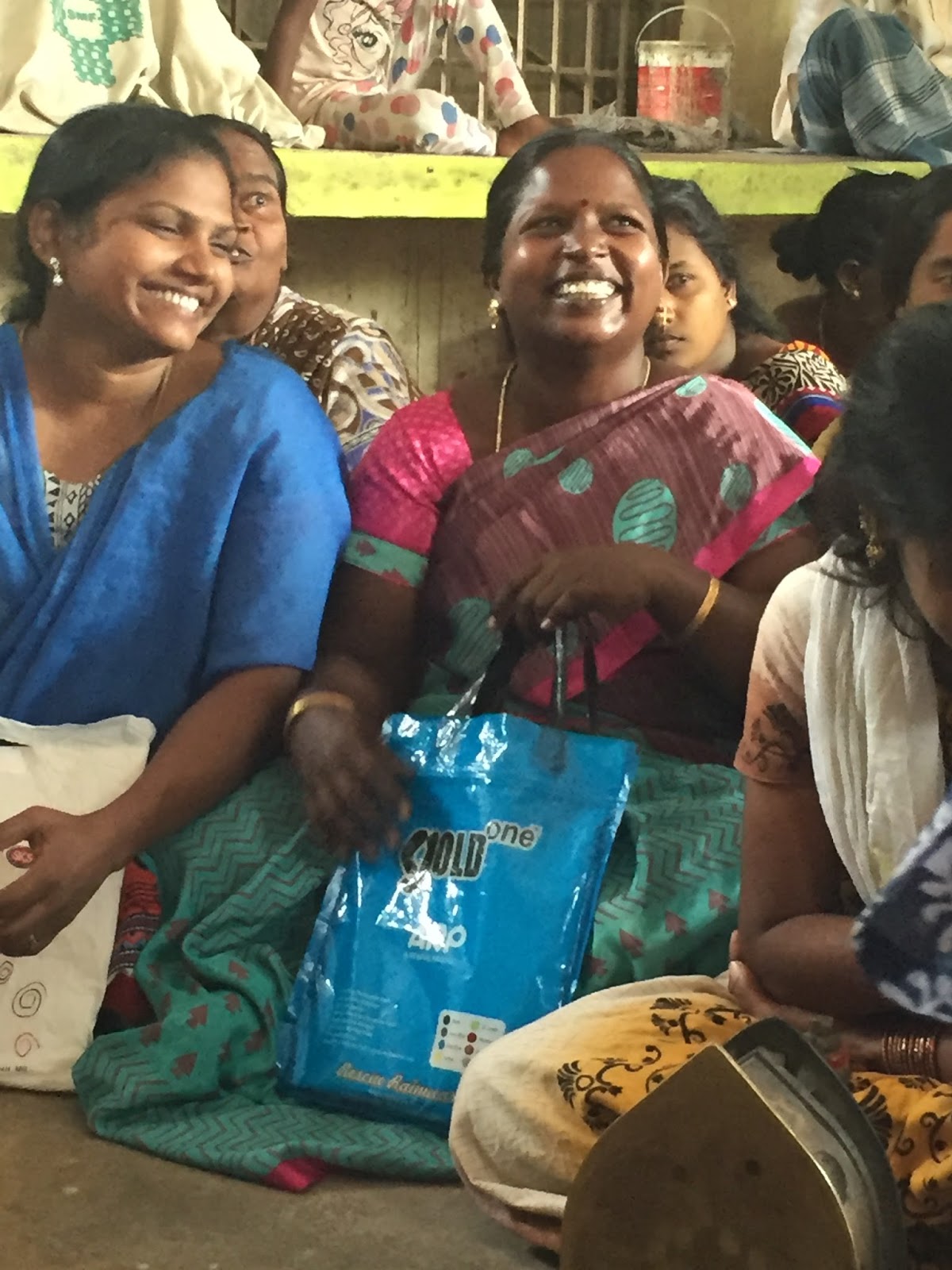
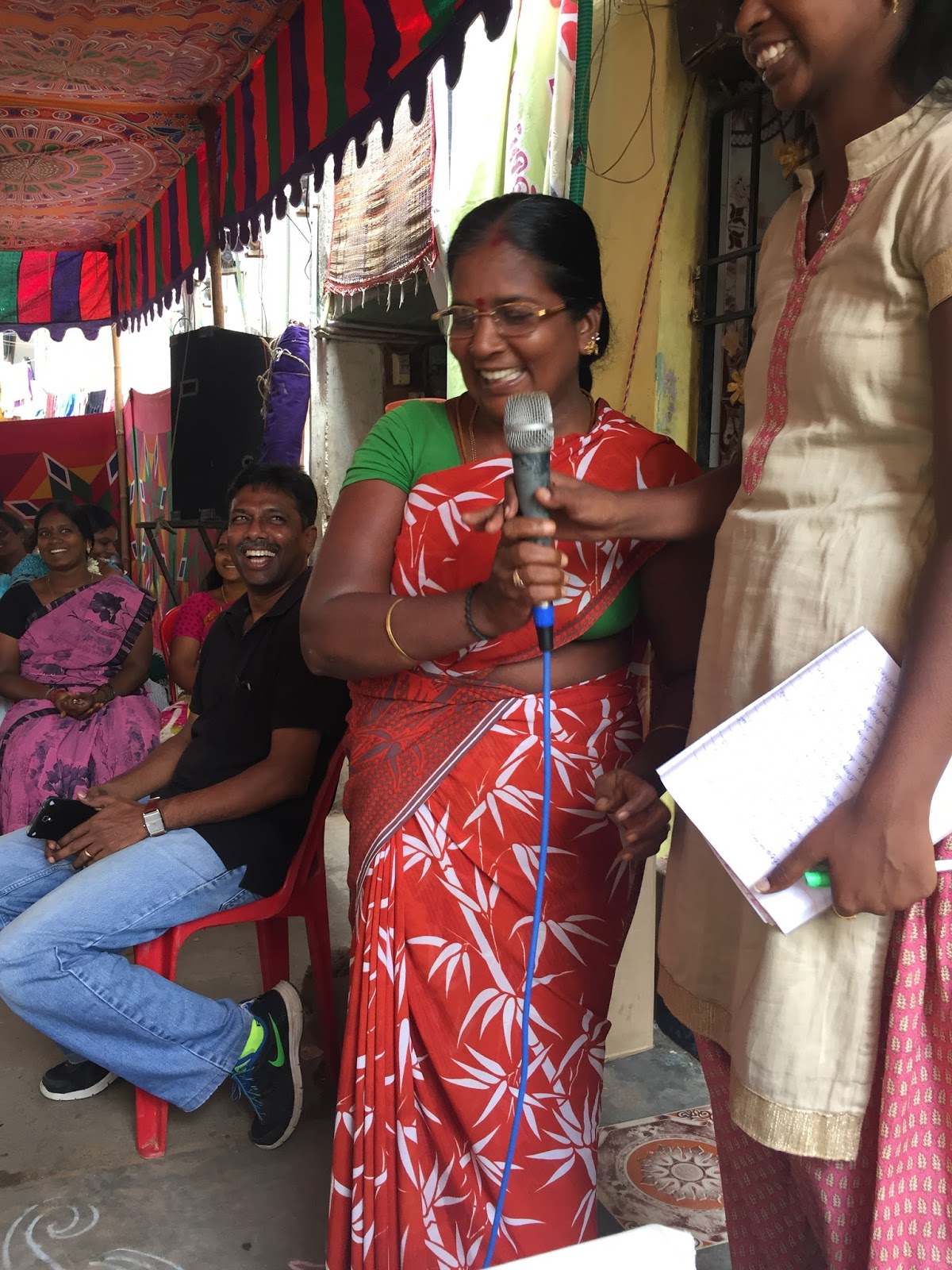
World Vision India is stuffed to the gills with feminists.

Top blokes and feminists
Yep. Feminists. 
It’s awesome. 

For the purposes of this post let us take Wikipedia’s definition of Feminism:

“Feminism is a range of political movements, ideologies, and social movements that share a common goal: to define, establish, and achieve equal political, economic, personal, and social rights for women.”

Wikipedia also notes that

“Feminists typically advocate or support the rights and equality of women.”

Now I know that Wikipedia doesn’t always get it right – but if you trawl through all the available dictionaries you’ll find that the above is a pretty good summary.

I know that some people in Australia are conflicted by the role of feminism in our day to day lives, not recognising sometimes that white privilege defines our perception and our application of the concepts in ways that are hard to define. Not thinking it’s necessary or relevant in 2016 is an excellent example of how our privilege blinds us AND binds us to cultural and societal patriarchy. 
Now let’s talk a bit about feminism and India. 
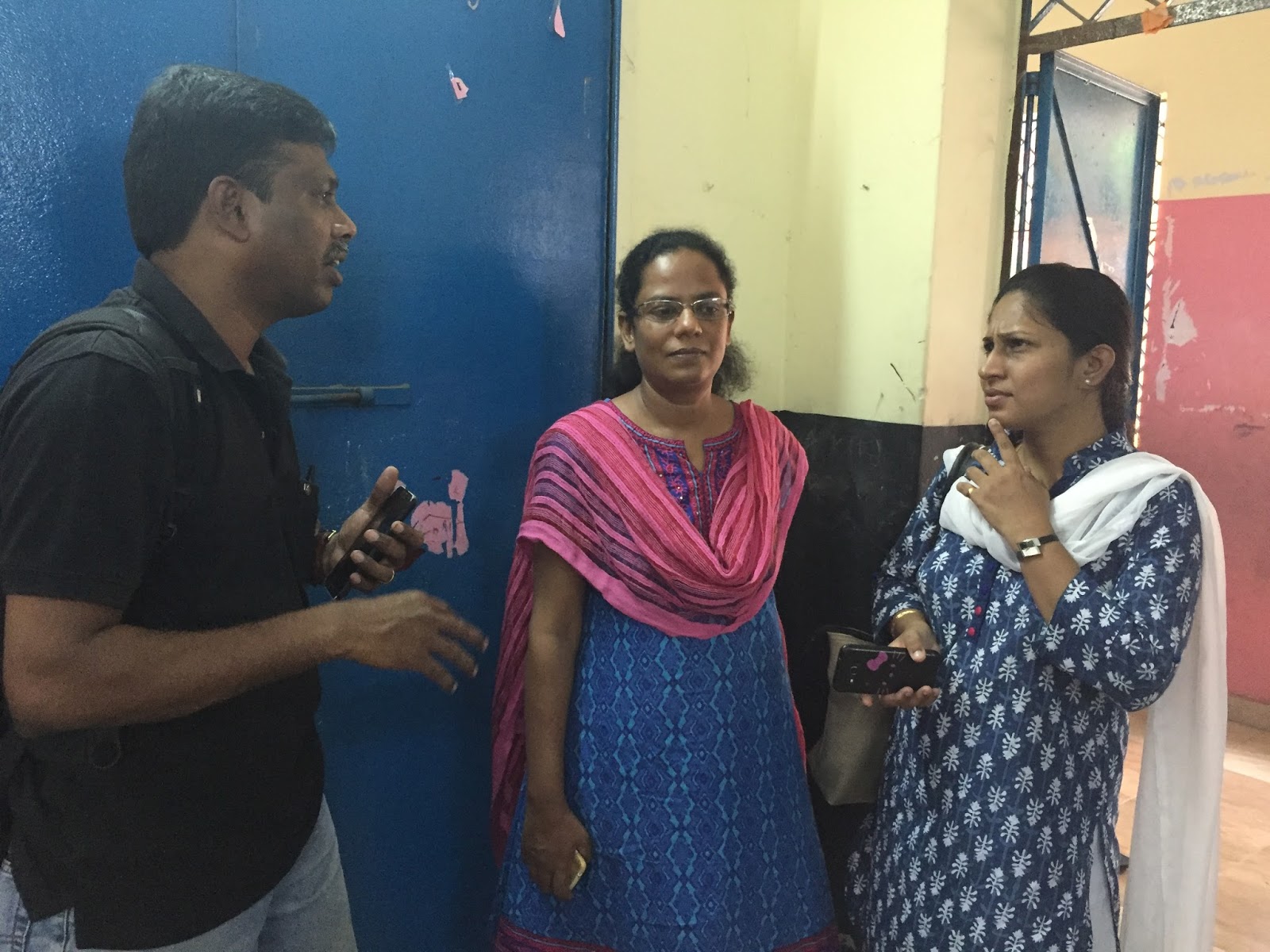
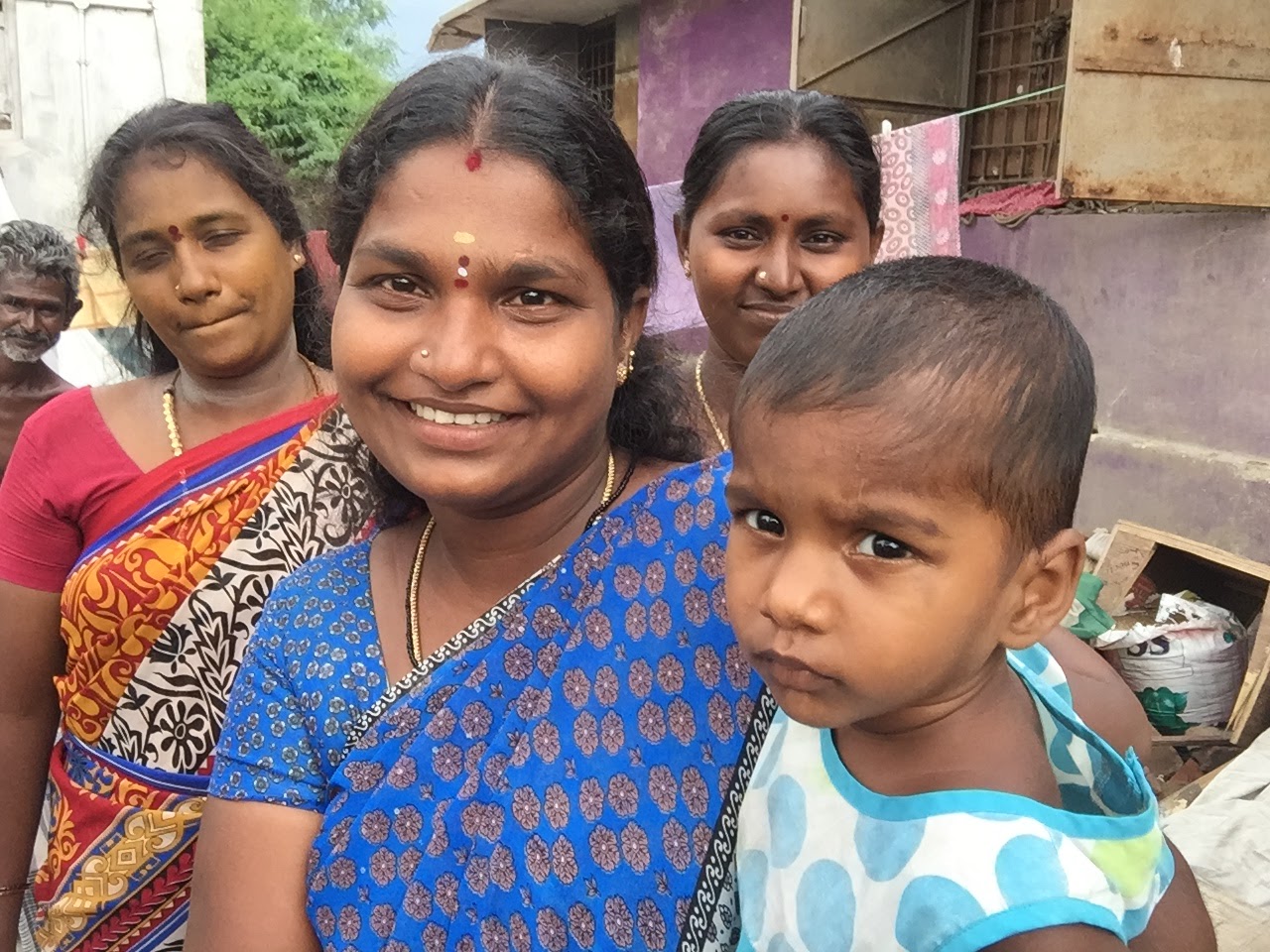
More feminists and all around top peeps

All the Indian women I know personally are ridiculously clever, focussed and accomplished. In fact, if I had to stereotype Indian born Australian women I’d probably say they were ridiculously clever, focussed and accomplished. 

And having now gone to India – I’d say as a stereotype – I’m not too off base.  The difference of course lies with the word ‘opportunity’.  
Despite our ingrained ‘developed world’ mistrust around the concept of arranged marriages, a system of choosing a life partner which seems both eminently sensible and hopelessly outdated all at the same time, many women in India have both the opportunity and the desire to get an education.  They obtain degrees, get good jobs, have ambition. Yes, many of them are doing most of the child rearing and domestic chores as well but that isn’t that far removed from our reality either. 
Separate to these women, are hundreds of thousands of women, maybe more, that lack the opportunities. Born into poverty, they marry into poverty, they birth into poverty and the cycle continues. Children are not able to stay at school, when by working they can be assisting to feed and house the family. 
Poverty is the building which often houses hopelessness, despair, violence and ill health. But in the communities in which World Vision is partnering with the families, there are a number of men and women effecting change that are are strongly, undeniably, unexpectedly – feminists. 
Yes. Feminists.
These men and women spend years building up relationships in their local communities so that they can understand how they can make life better for the children. And that is nearly always, without exception, through the empowerment of women. 
They assist them to set up self help groups, gain qualifications, set up small business, send their kids to school, support higher education, run rehab centres, facilitate financial growth, improve health and hygiene, teach positive parenting and a myriad of other initiatives driven by the ambition of the communities to structure a better future for their children.

These men and women of World Vision aren’t patronising, they do not pity. They are completely committed to these communities in ways that are both grounding and inspiring.  They know people’s names, they keep confidences, they offer solutions, they research. They are there more often than not 6-7 days a week providing a foundation on which women can proactively empower themselves, their children and their wider communities.
They advocate on behalf of the women and work tirelessly alongside them but always with the idea that one day, their role in the community will become defunct. 
It is a commitment to achieving equal political, economic, personal, and social rights for women in a way that is tangible, practical and constant. It is feminism in action, not reaction. 
Compassion and kindness does change the world. And I am incredibly thankful that I had the opportunity to witness it in action.  
Thanks again to all the World Vision India staff that I met and apologies for putting you, as well as your incredible work, in the spotlight. I know that’s not why you do it. 
Last week I was in the field with World Vision Australia as a guest of World Vision India.
I am sharing stories about the humans I met.
This is done with their full permission.


If you want to see more of what goes on when I’m not writing this blog
follow me on Facebook, Twitter and Instagram

     
And sign up HERE to become a Franklophile and get the newsletter.

A toilet is not just a toilet

A toilet is not just a toilet

I know I have a potty mouth, that I laugh at toilet humour and am mad keen on giving a shit, but today was the first time I have ever teared up when somebody talked about toilets.
A young girl in her mid teens stood alongside her mother and spoke about how the toilet she was standing beside had changed her life.
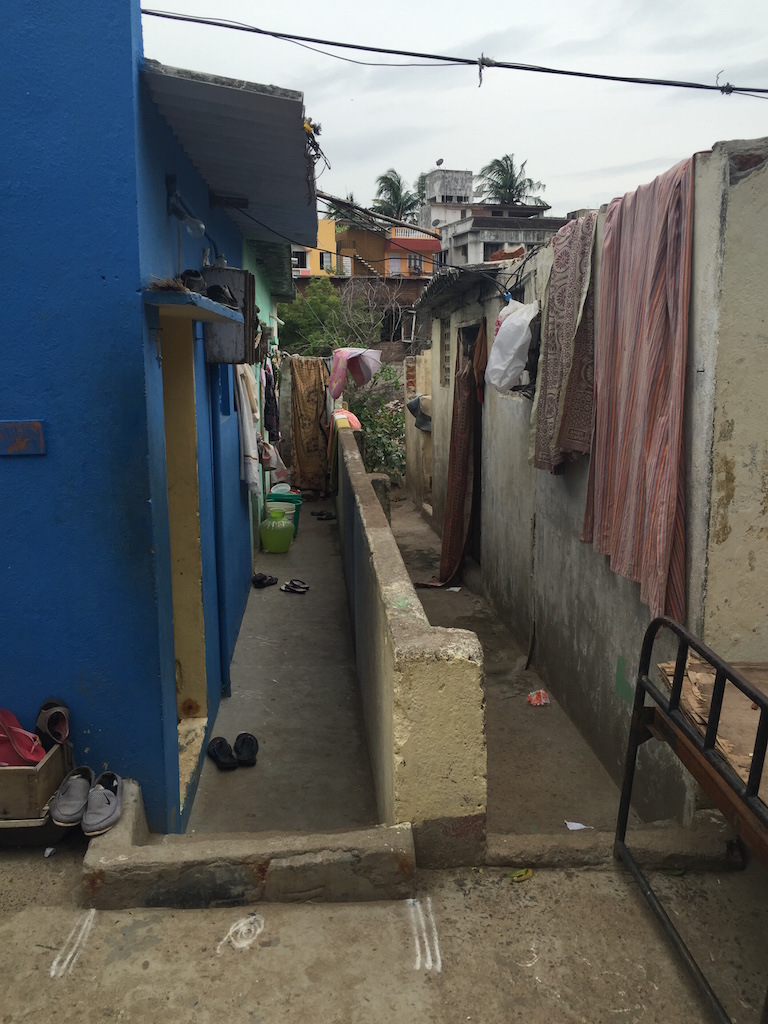
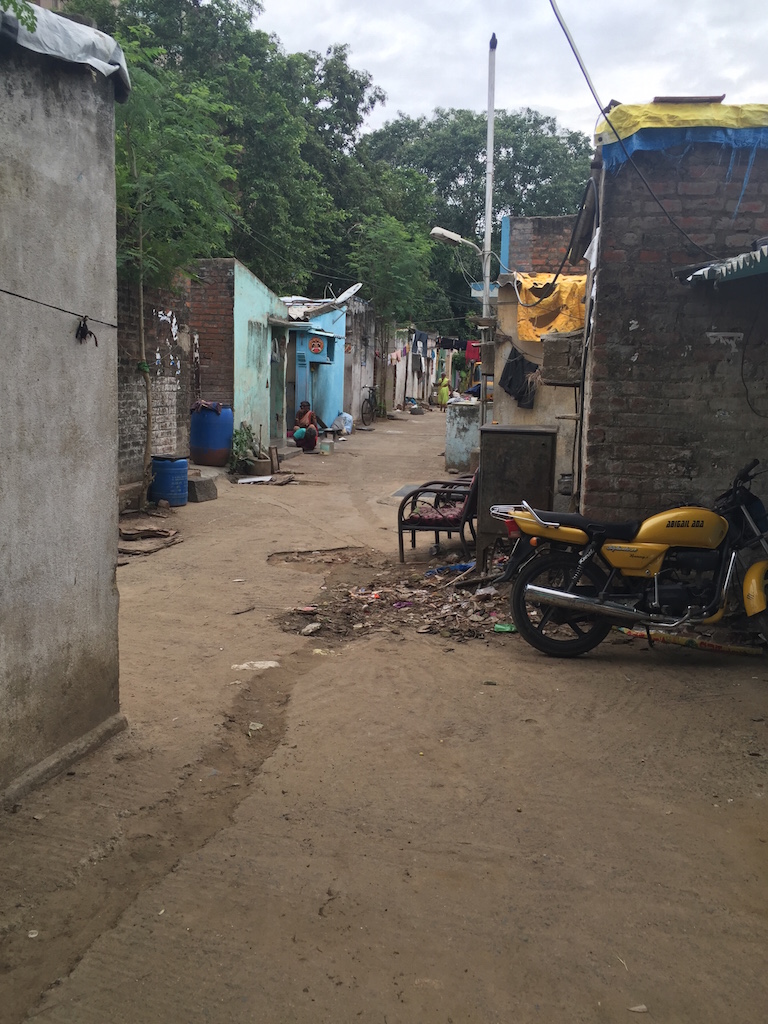
Toilet number 2 in the slums of Saidapet.

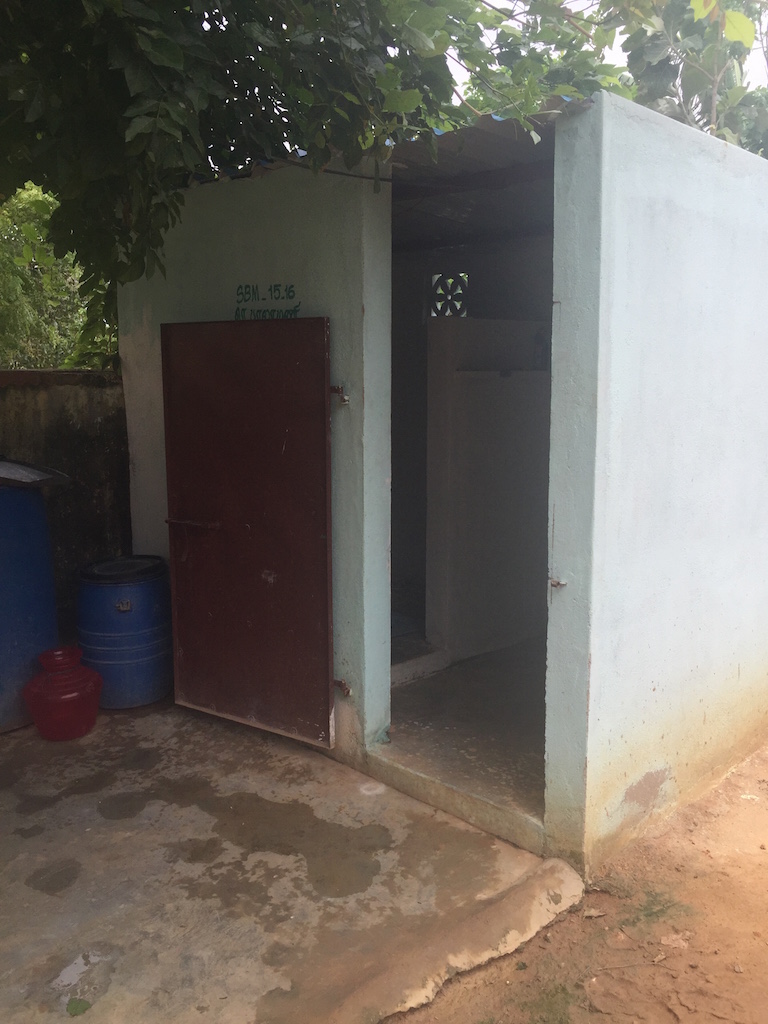
Let us go back slightly in time to Tuesday. I stood in a small rural village admiring the stone bathroom that had been installed this last year.  It was one of 15 in the village and was part of a behavioural shift in a village that had practiced open defecation.

This is when one toilets in the fields surrounding one’s village. It’s clearly unhygienic but more pressingly, it’s unsafe. Women tend to have to wait until night to go to the fields to do their business and never on their own. Children can not go on their own, ever. It’s undignified, it encourages disease and it can result in violence against women.
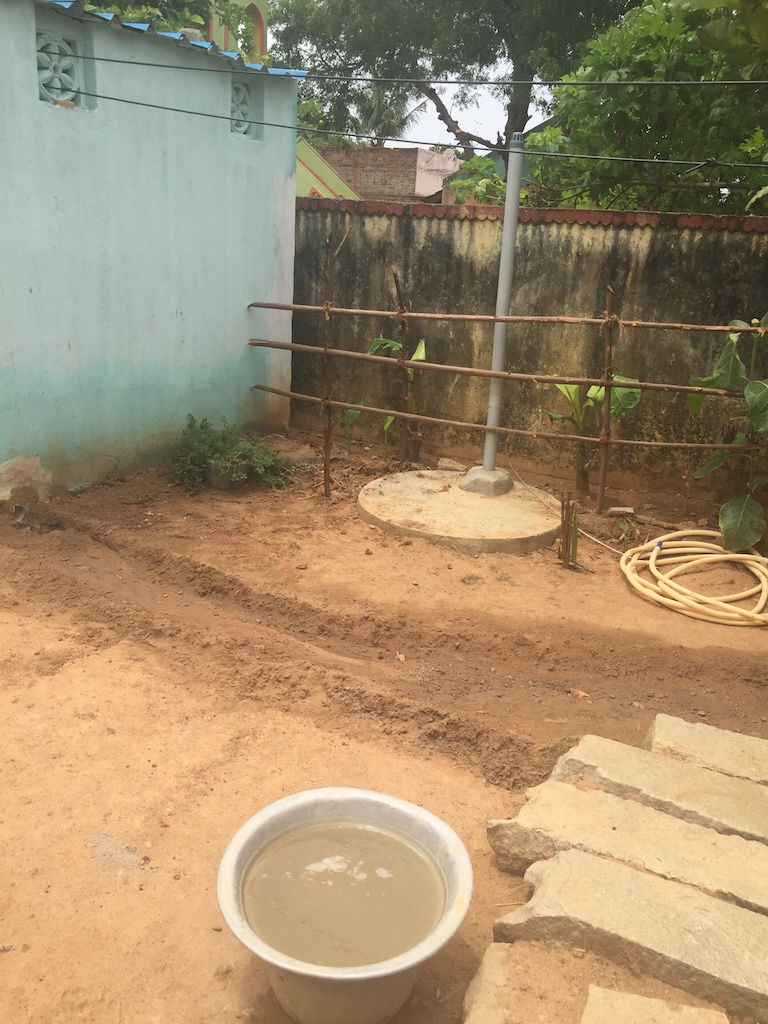
In this village, the toilets were prized. Two septic style tanks were in the ground under each toilet, and after one year they could be emptied and used as manure in the fields. So not only practical, but super practical. 


I was there. I could SEE the difference it was making. I heard them talk about feeling safer and the impact on their health already showing after a few short months but somehow, at one level and completely without merit, hindsight shows me that my brain was processing it alongside ‘bush wees/poos’. Not preferred, but still it was outdoors.
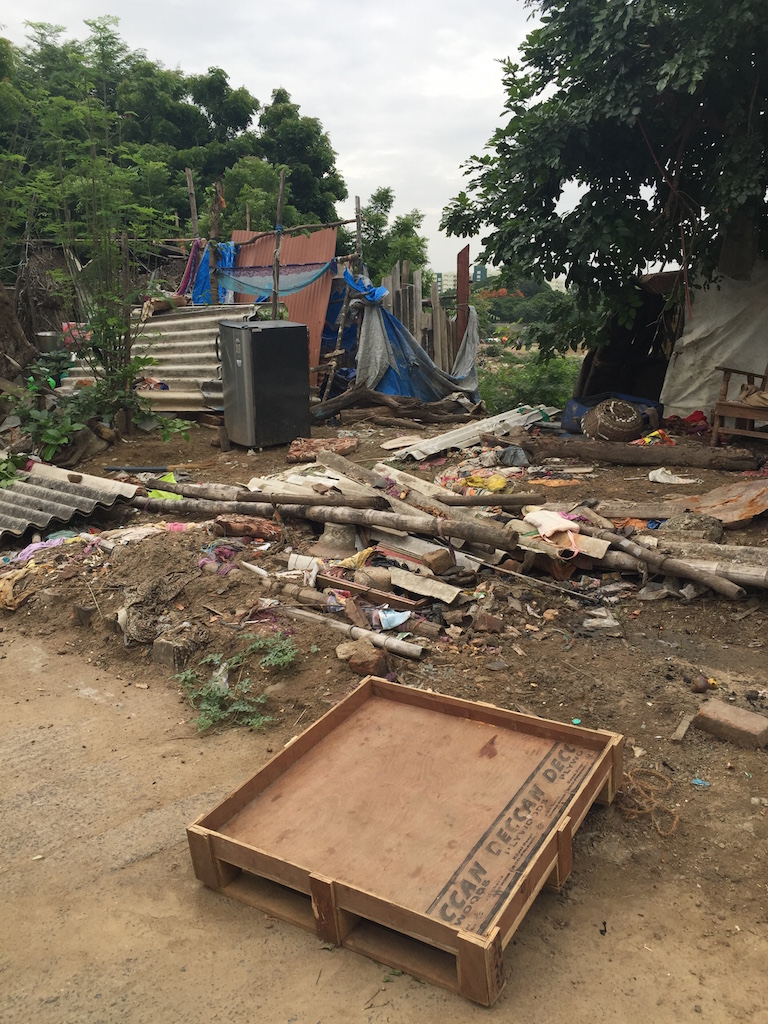
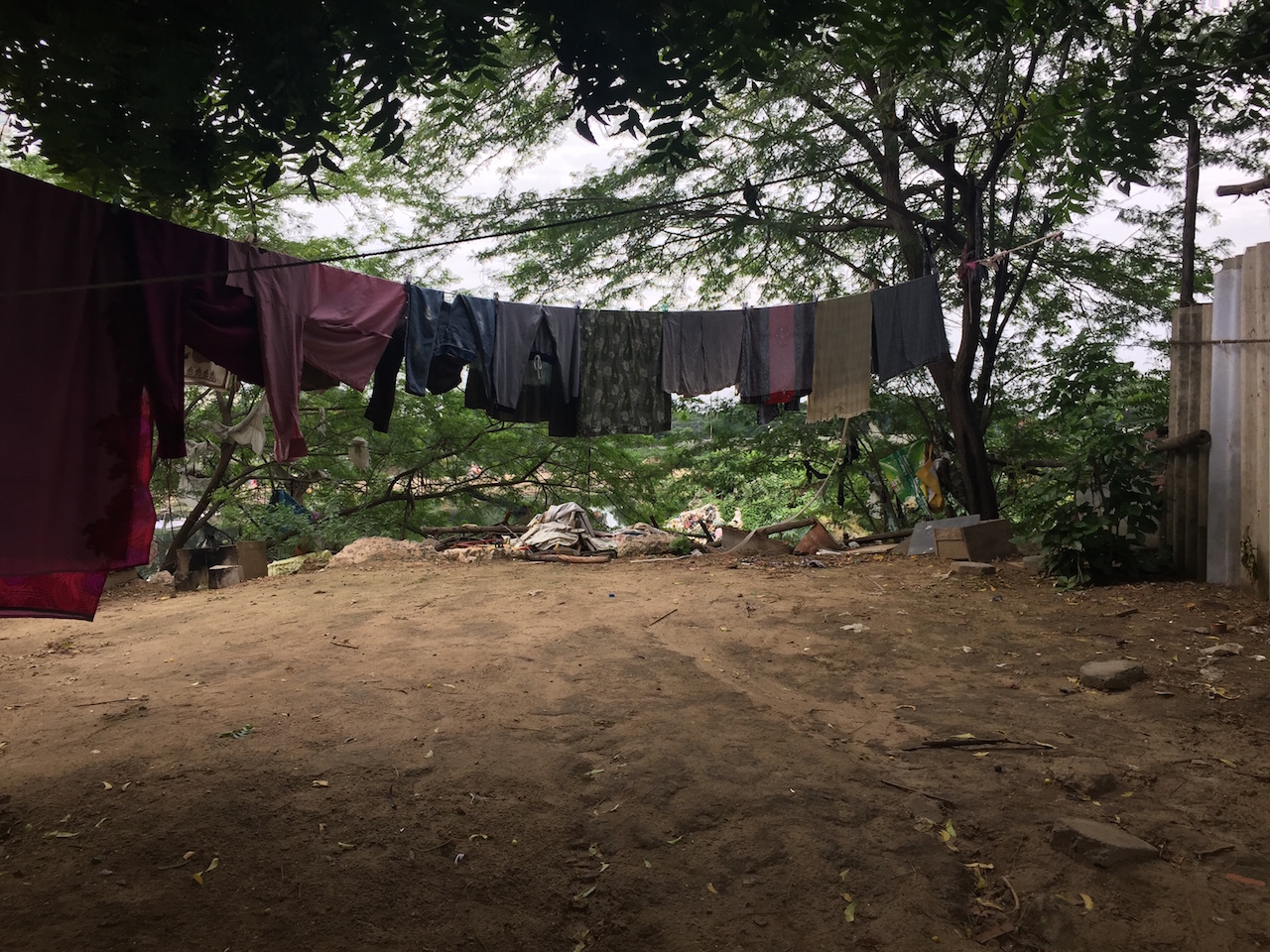
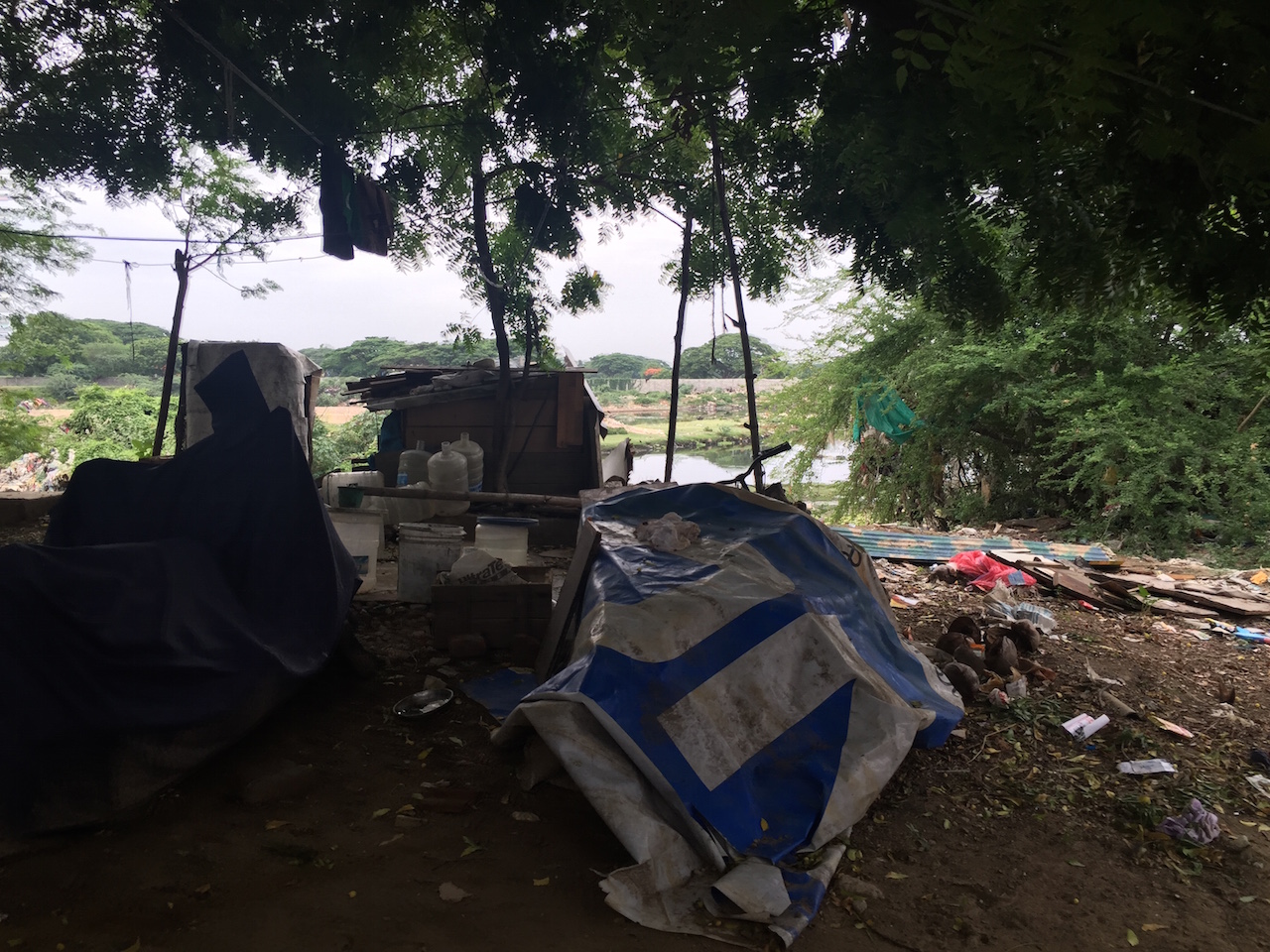
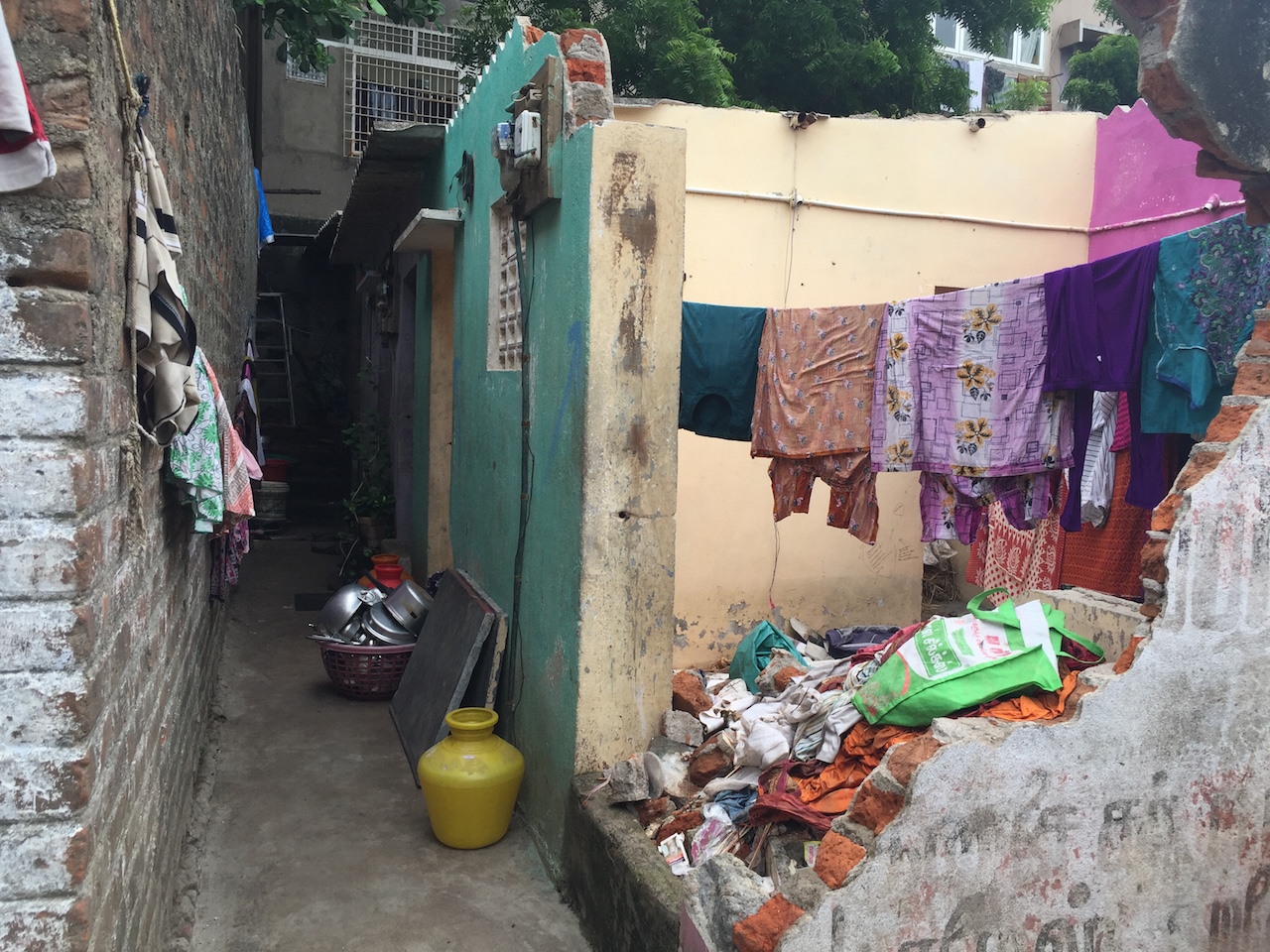
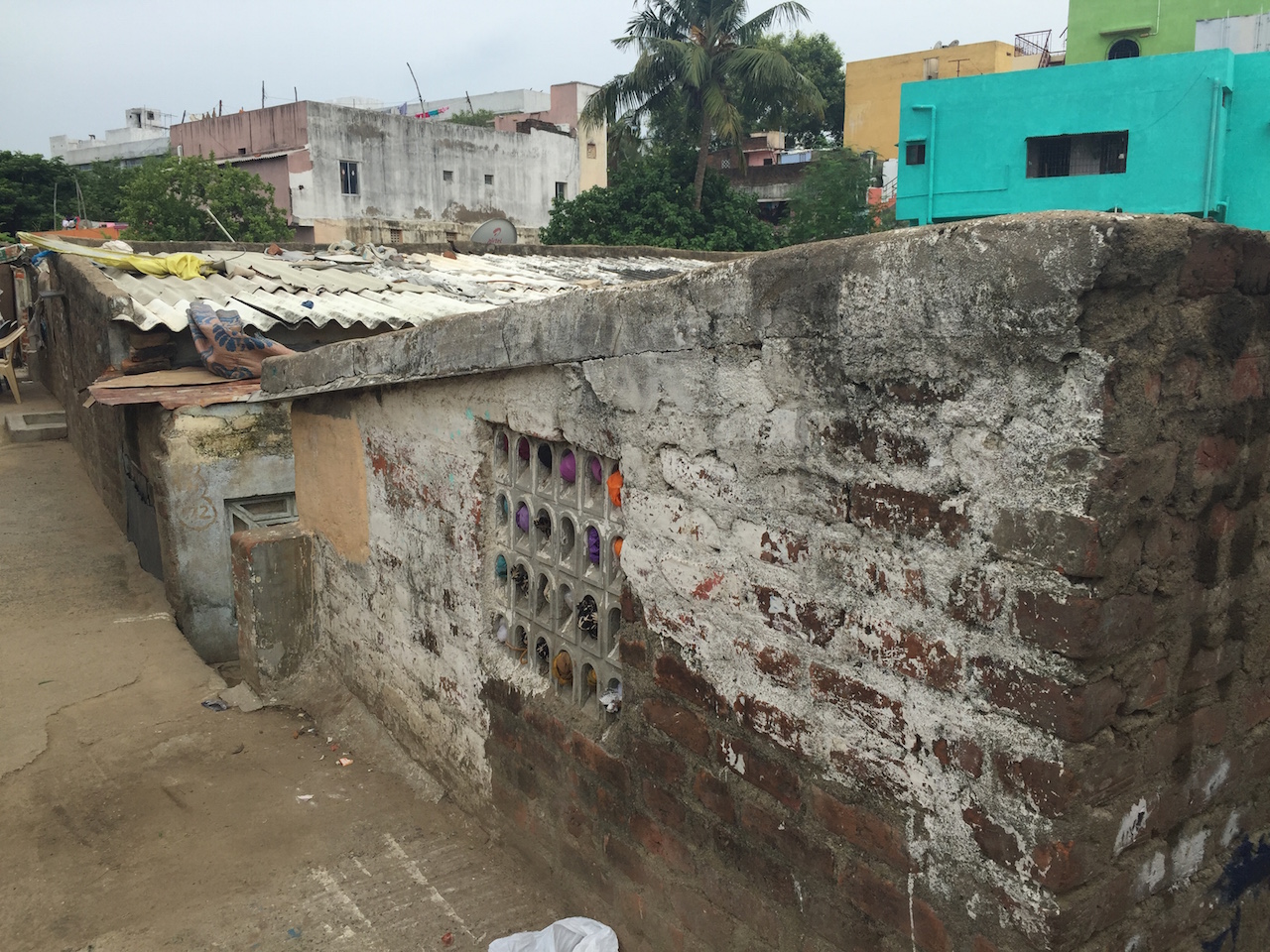
Fast forward back to today when I’m standing in the slums of Saidapet. In a city. The slums were flooded last year. And by flooded, I mean totally underwater. The water rose to above roof height. And then it went down again, and while about 110 families in this particular section were rehoused, there are still a lot of families living in the area.

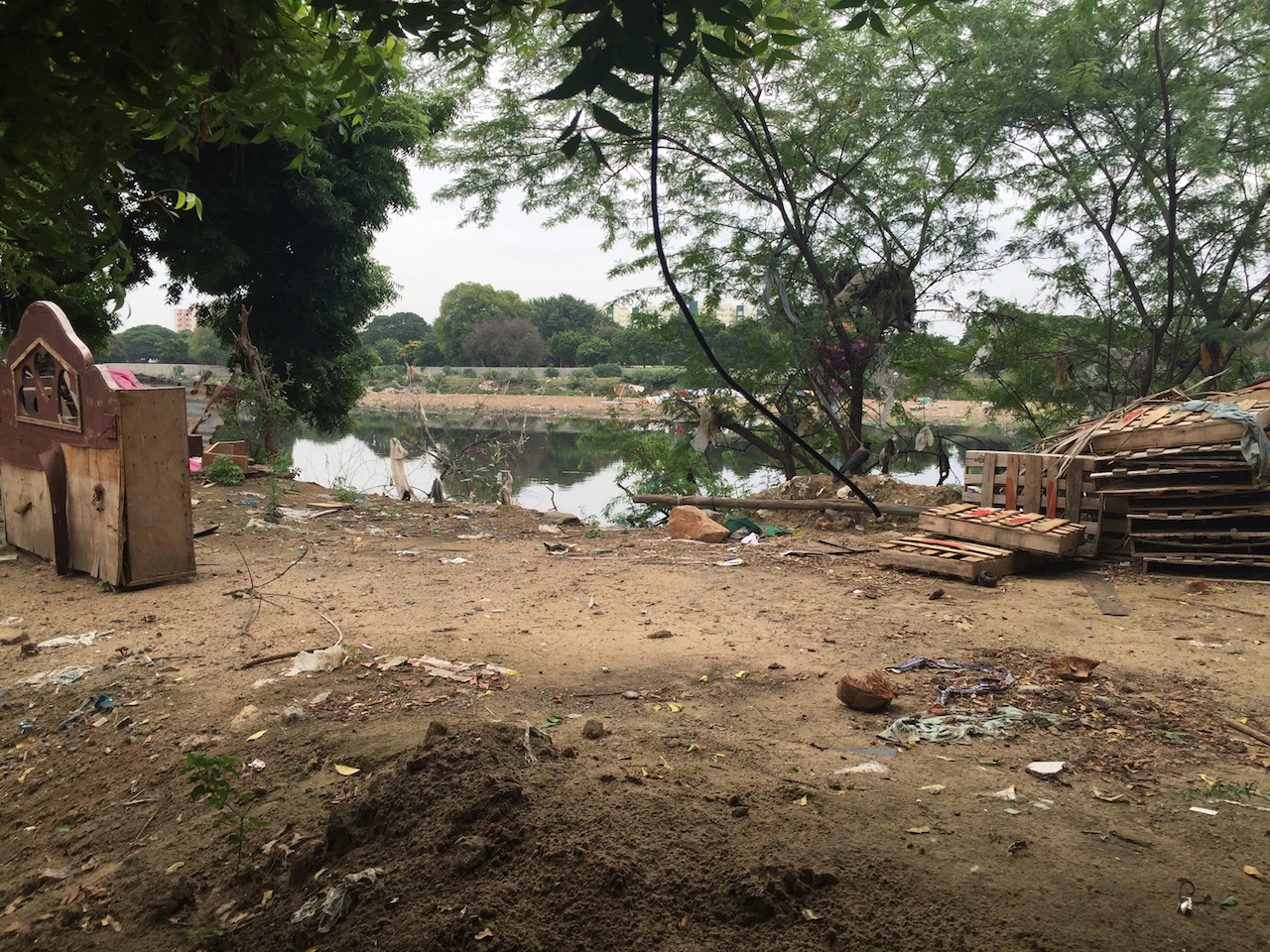
This area too was a place of open defecation. People would have to go towards the river in the dark, down the embankment. Through the mud, the refuse, the scorpions and the snakes to go to the toilet. Women and children could not go alone. There was no hope of toileting during the day because the riverbank is in plain sight of anybody going by.

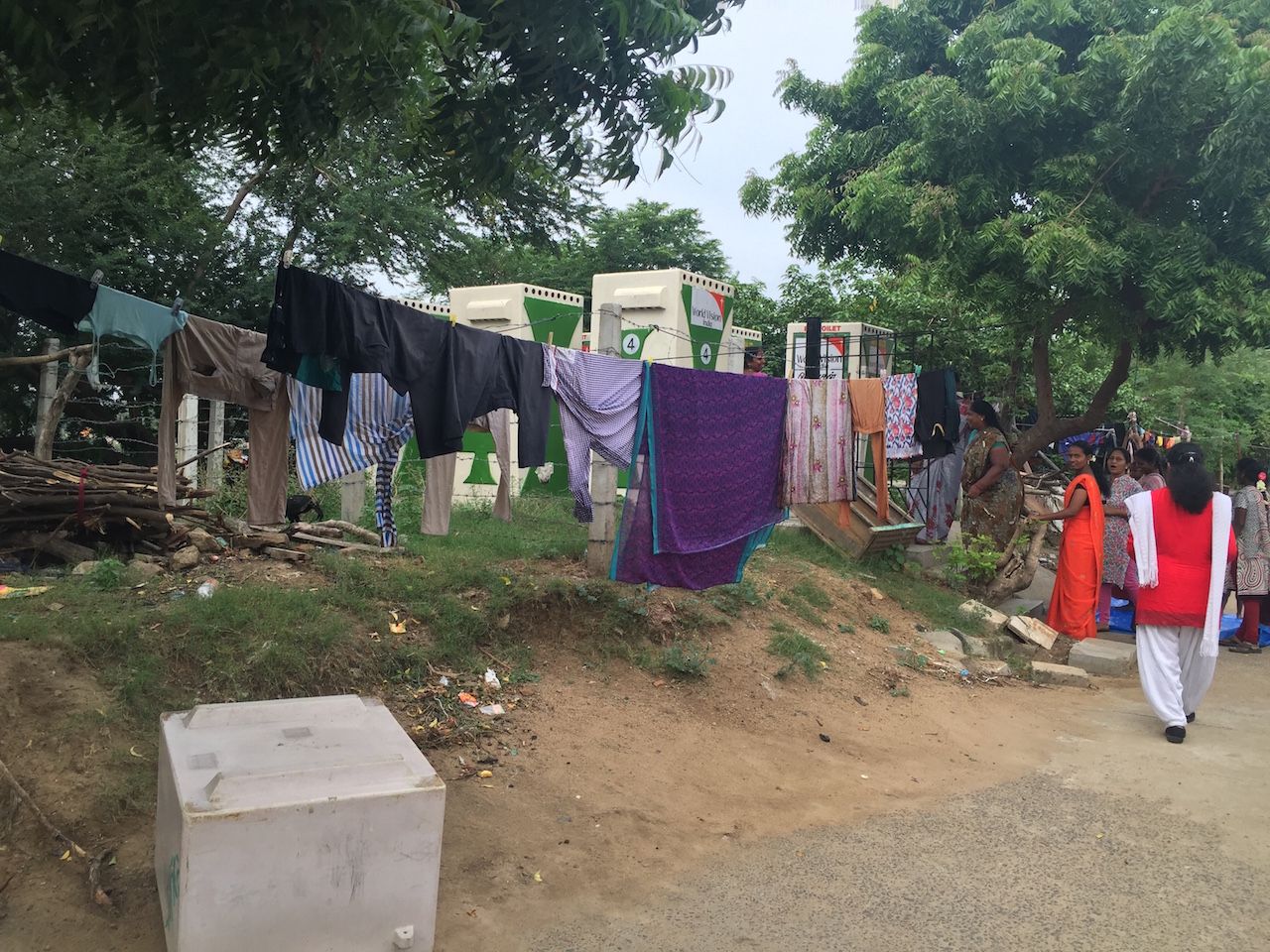
About 8 months ago, the World Vision team working with the 61 sponsored children in this local community helped the residents install six bio-toilets. The toilets are about the size of phone booths and are enclosed by barbed wire. They sit above the river bank and operate like long drops, but full of microbes that dispose of fecal matter. The toilet compound is locked and each of the six toilets are allocated to only ten families per toilet. They have a roster for cleaning it and a bore pump to access water to clean clothes and keep the toilets clean, eliminating any need to go down to the river. 
The principles here in this urban slum are exactly the same as the rural village. Perhaps some part of me identified with the urban setting more or perhaps, it was this quietly spoken girl speaking so movingly about regaining her dignity and her feeling of safety. About how excited and proud she was to be part of the team that looked after the toilets. About how these six toilets had changed her life.  And all of a sudden I got it.
I really got it.
Toilets are not just about going to the toilet.
They are about good health. They are about safety. They are about opportunity. They are about nurturing. They are about education. They are about hope. They are about dignity. They are about respect.
A couple of other women spoke at their relief of being able to protect their daughters better now they had access to the toilets, being able to help them more practically during their monthly cycles and about being able, for the first time in their lives, to go to the toilet with dignity.
They then broke out into applause to thank us for the toilets. It was incredibly humbling to be representing the people they were truly applauding – the people around the world who sponsor World Vision projects such as these.
So thank you from them. Thank you for giving a shit.
This week I am in the field with World Vision Australia as a guest of World Vision India.
I am sharing stories about the humans I meet.
This is done with their full permission.

If you want to see more of what goes on when I’m not writing this blog
follow me on Facebook, Twitter and Instagram

     
And sign up HERE to become a Franklophile and get the newsletter.
From Pudukattai to Putney

From Pudukattai to Putney

My daughter attends a child care centre which is generally regarded to be ‘the bomb’.  Enthusiastic teachers, colourfully painted, big emphasis on play and it’s contribution to learning, nutrition garden so they can learn how to grow vegetables and then see them used in food, singing, dancing and yoga. 
It’s everything a Putney parent could wish for.
And then some. It’s only a few hundred metres down the road.
Don’t get me wrong – like all Australian’s we pay for child care. Handsomely.  And in Sydney, we pay even more.
And it sometimes feels from my point of view we pay to have sand replaced on a daily basis if the amount that comes home in my daughter’s shoes and pockets is anything to go by. 
But we are prepared to pay for quality care, positive and cheery carers and an environment that nurtures a love of learning. 
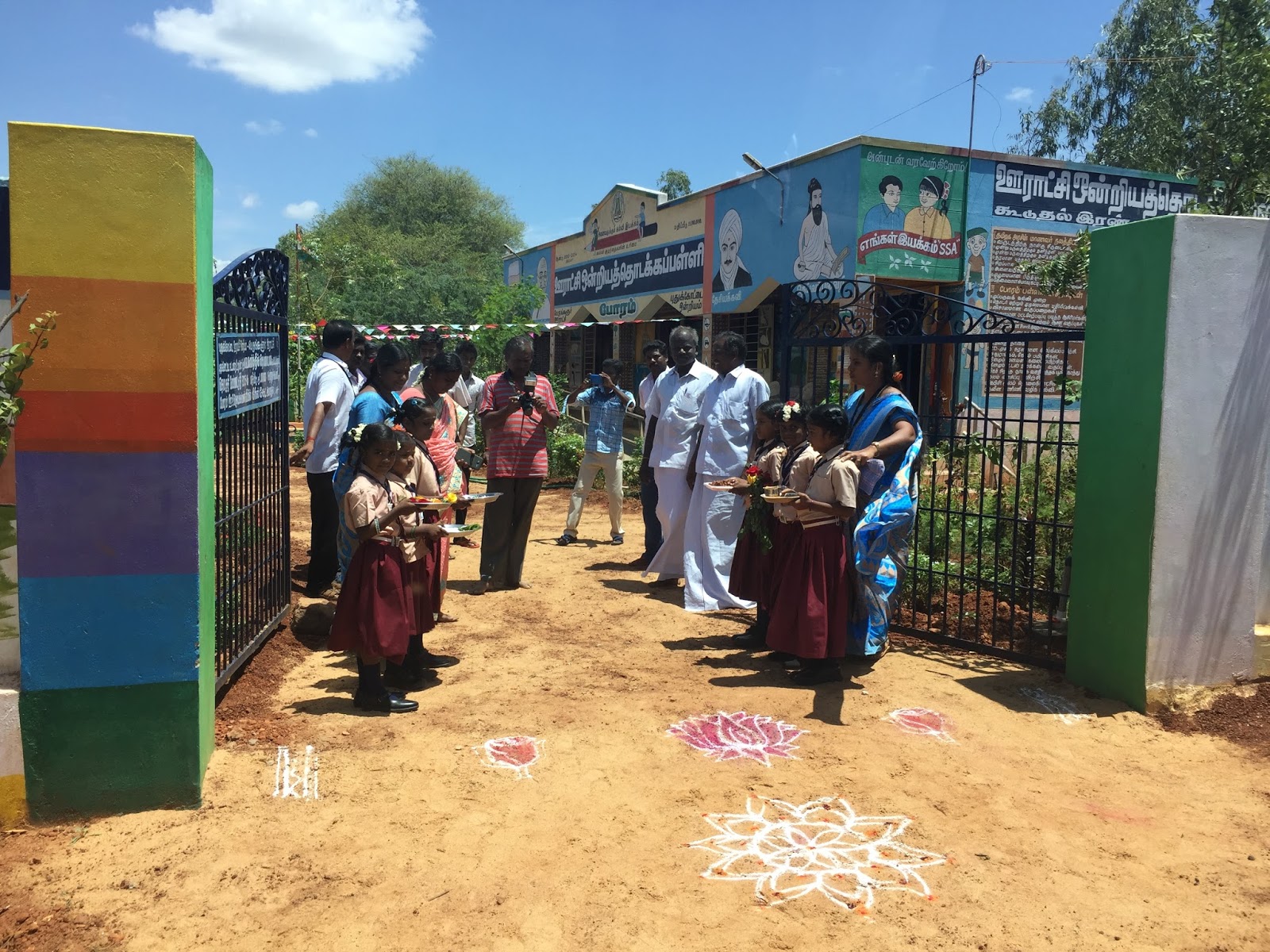
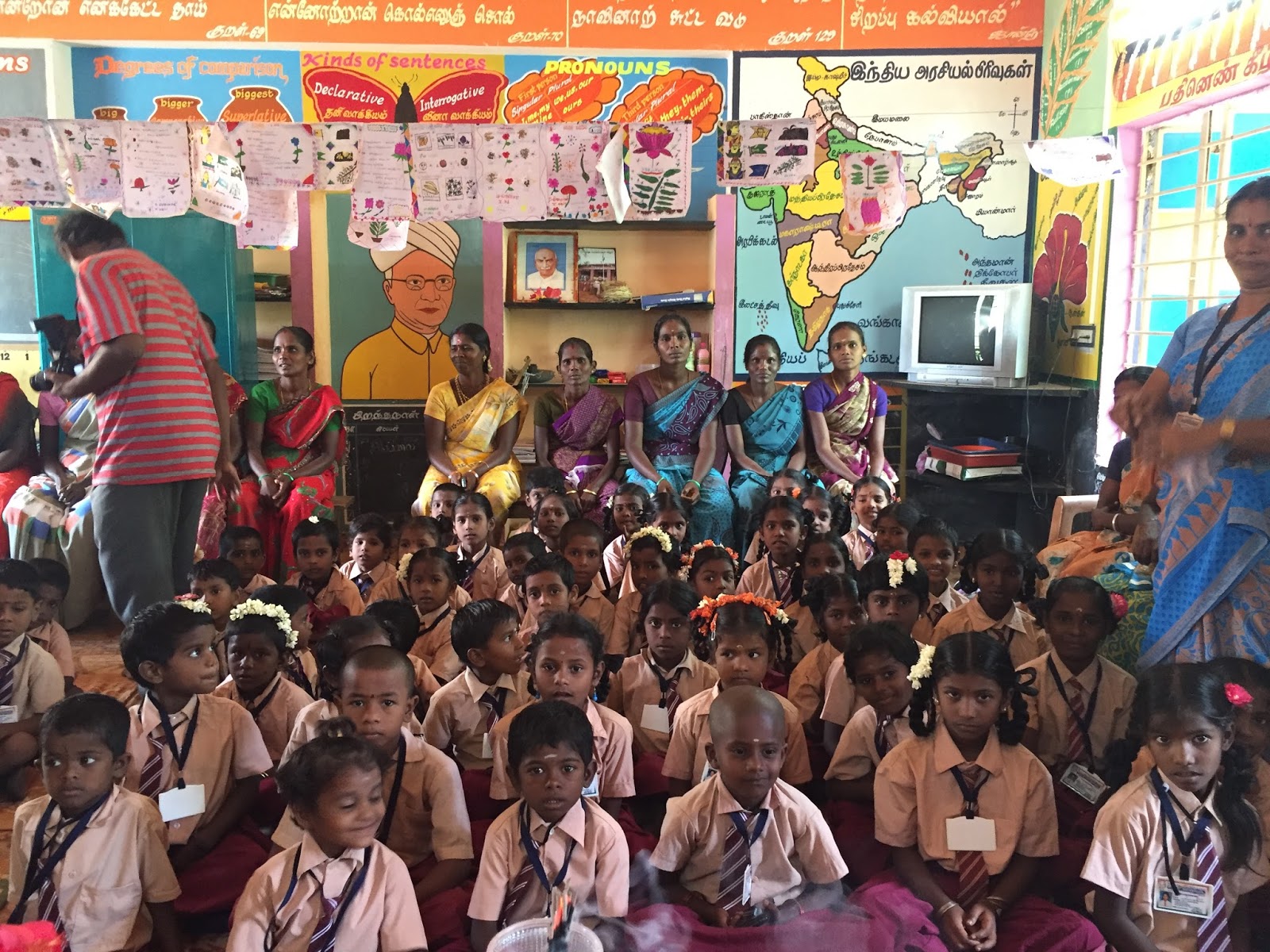
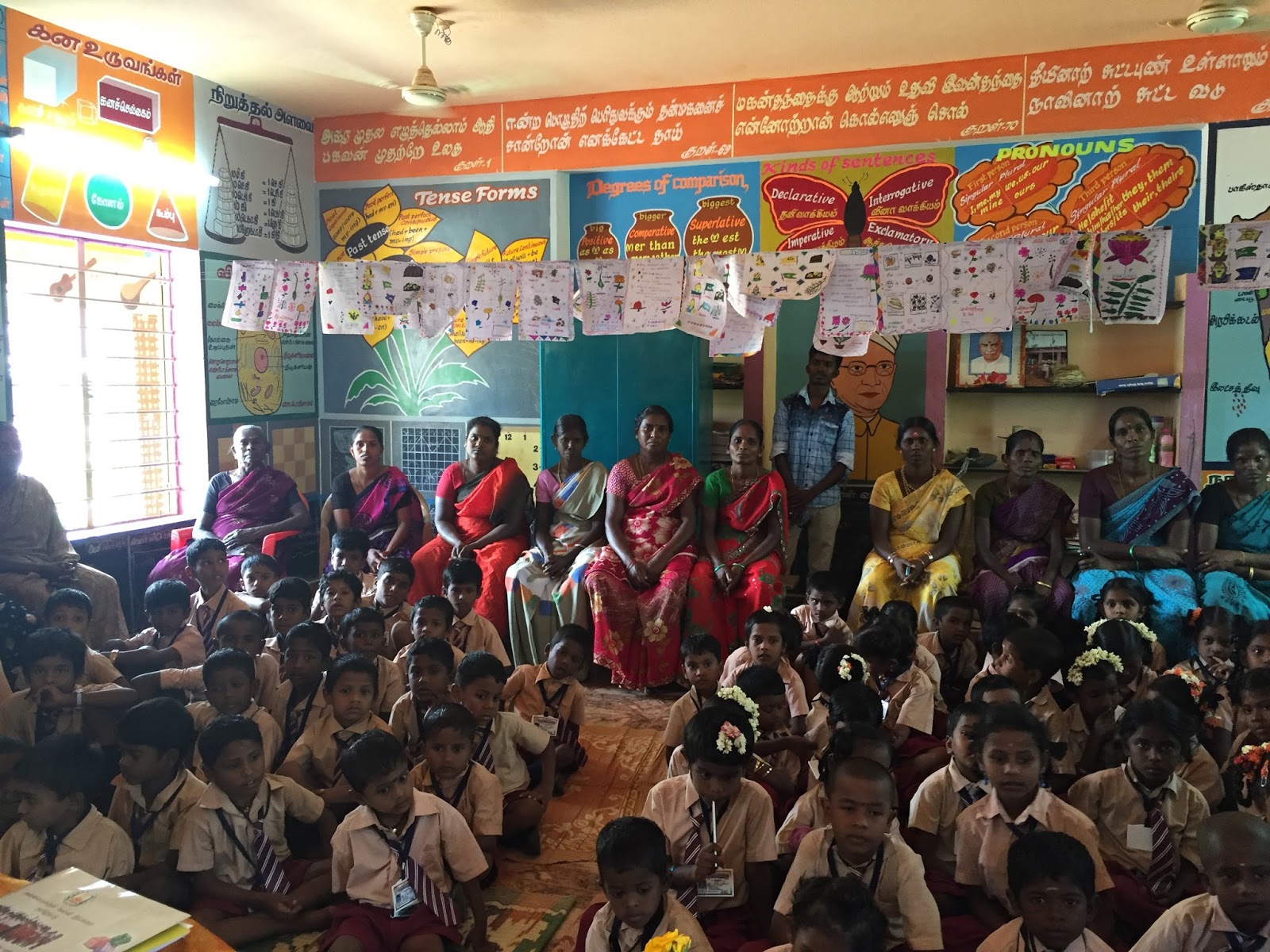
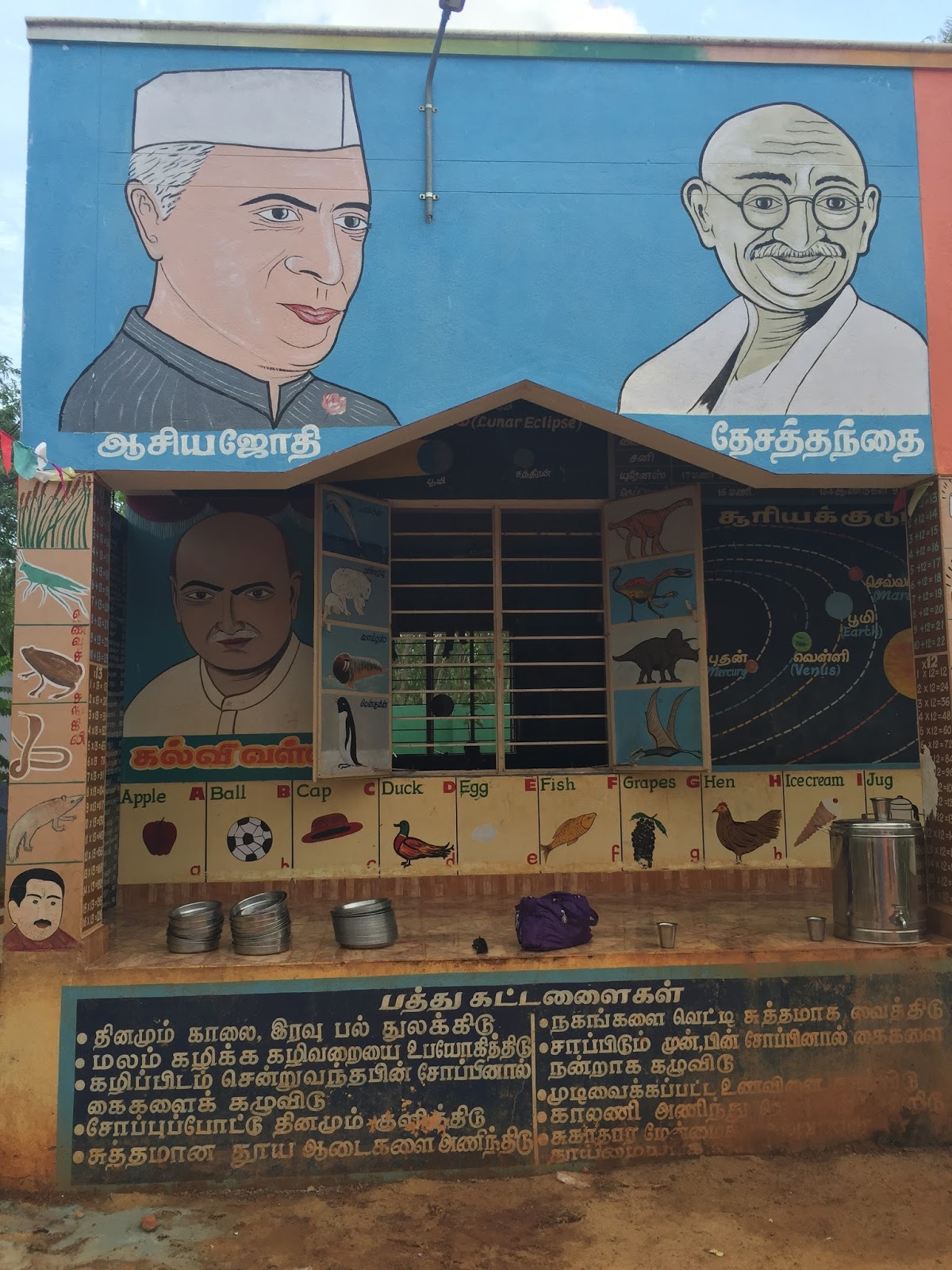
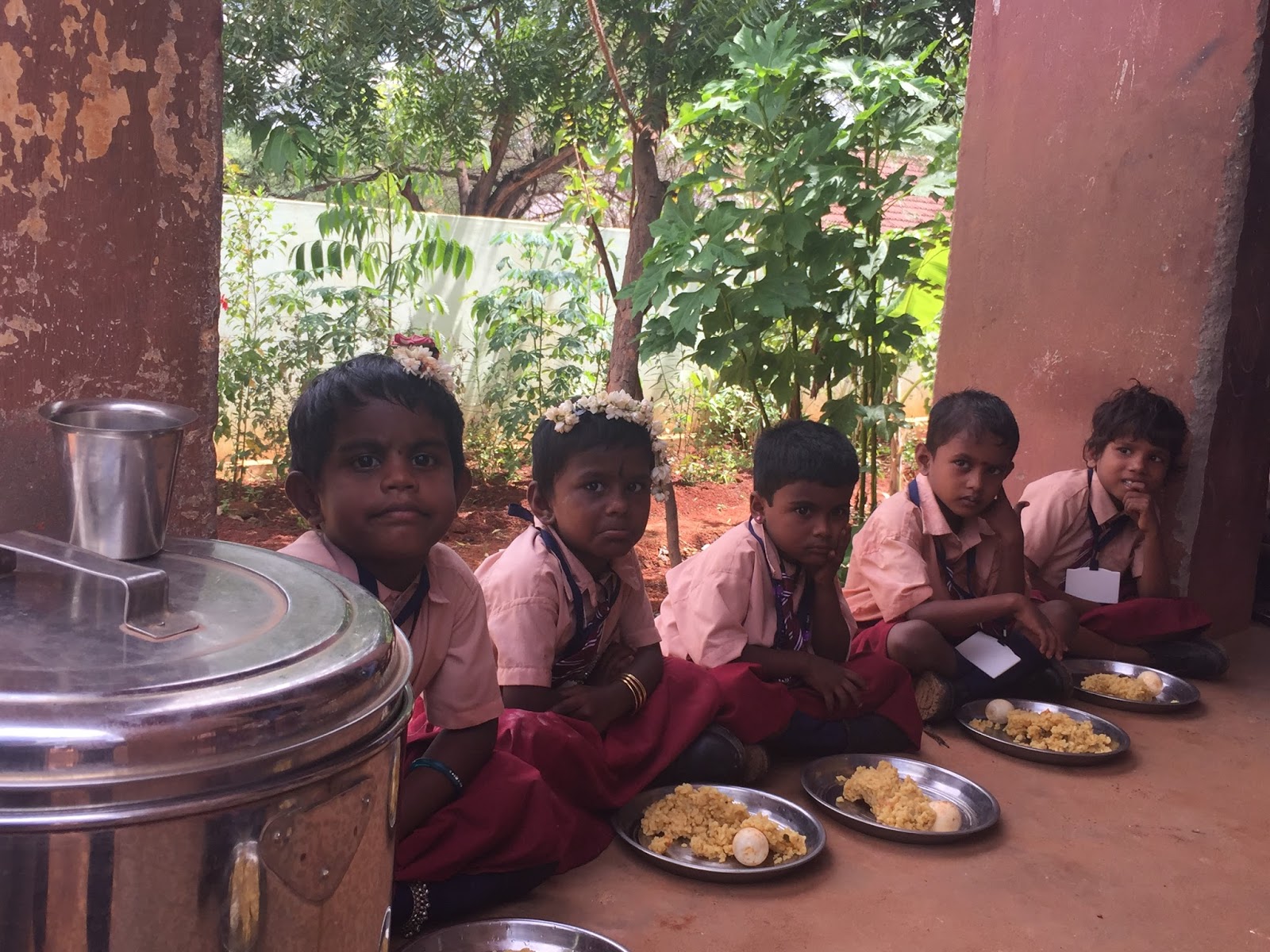
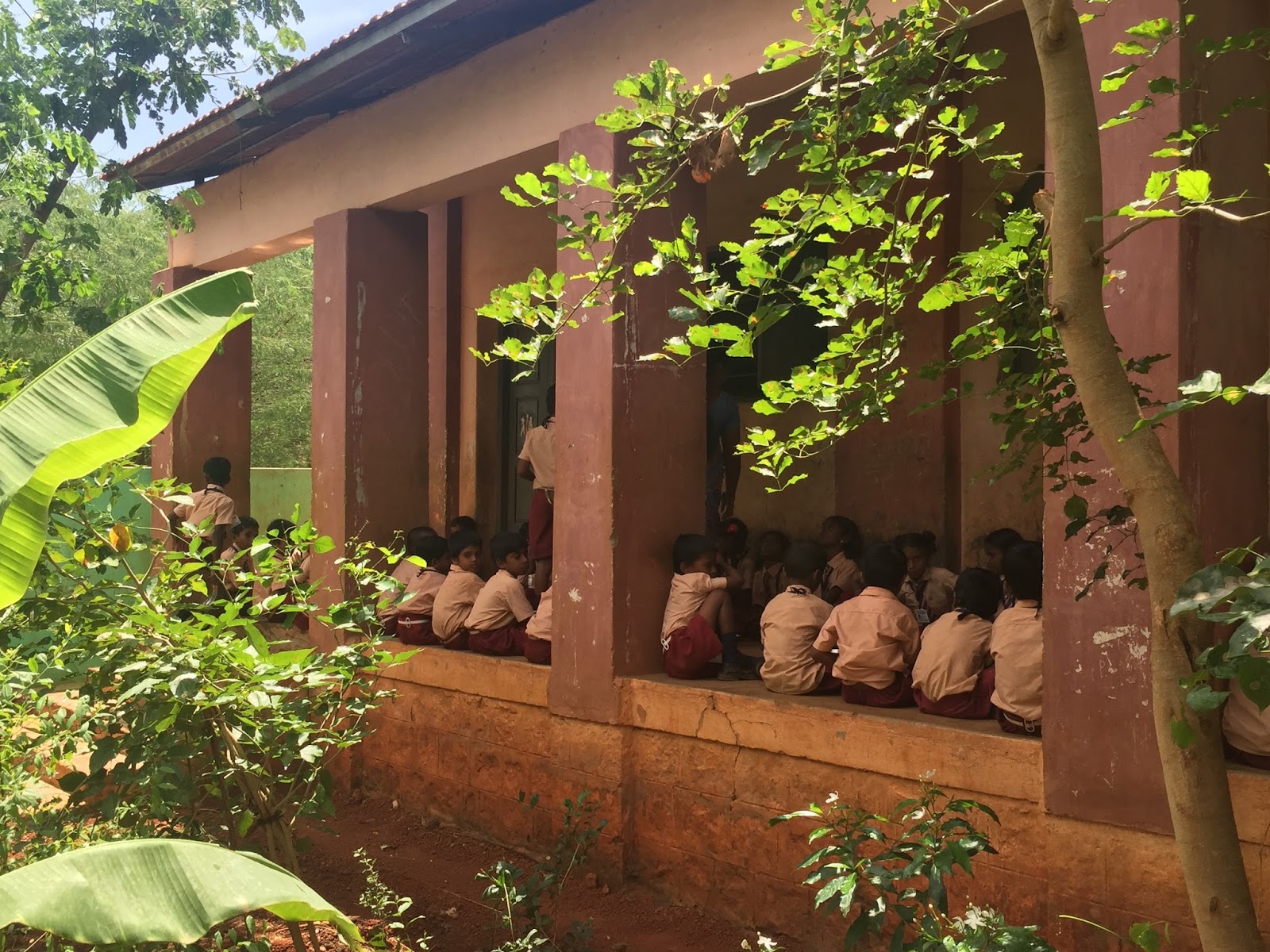
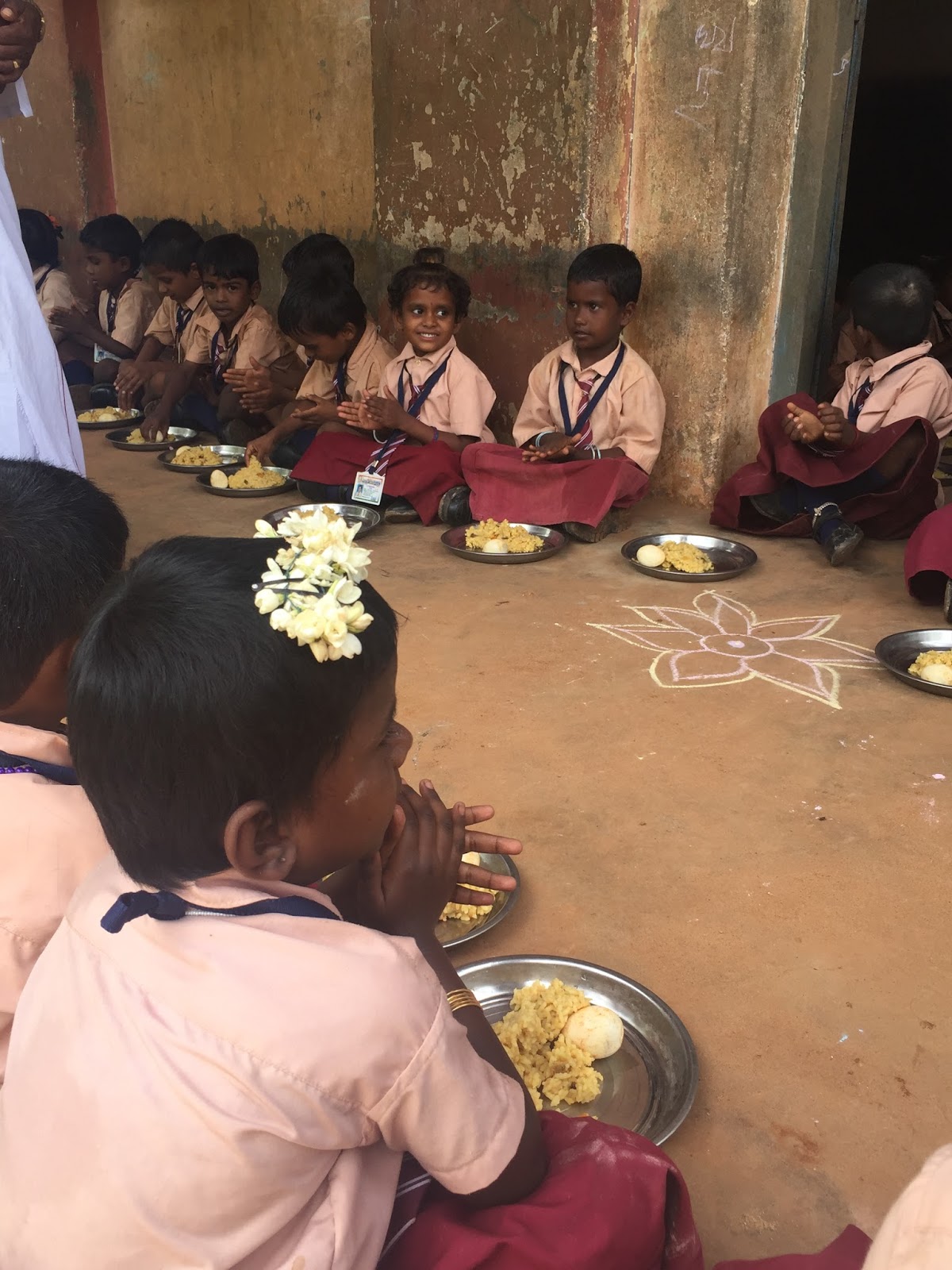
And then, quite surreally, I find myself standing in a small village comprised of dirt tracks, stray goats and makeshift housing, where about 80 kids have access to exactly the same thing.
Around 9,000 kilometres NW of Putney. In a village not far from Pudukottai there is –
A cement building colourfully painted inside and out (tick)

Enthusiastic and committed teachers (tick)
Big emphasis on play (tick)
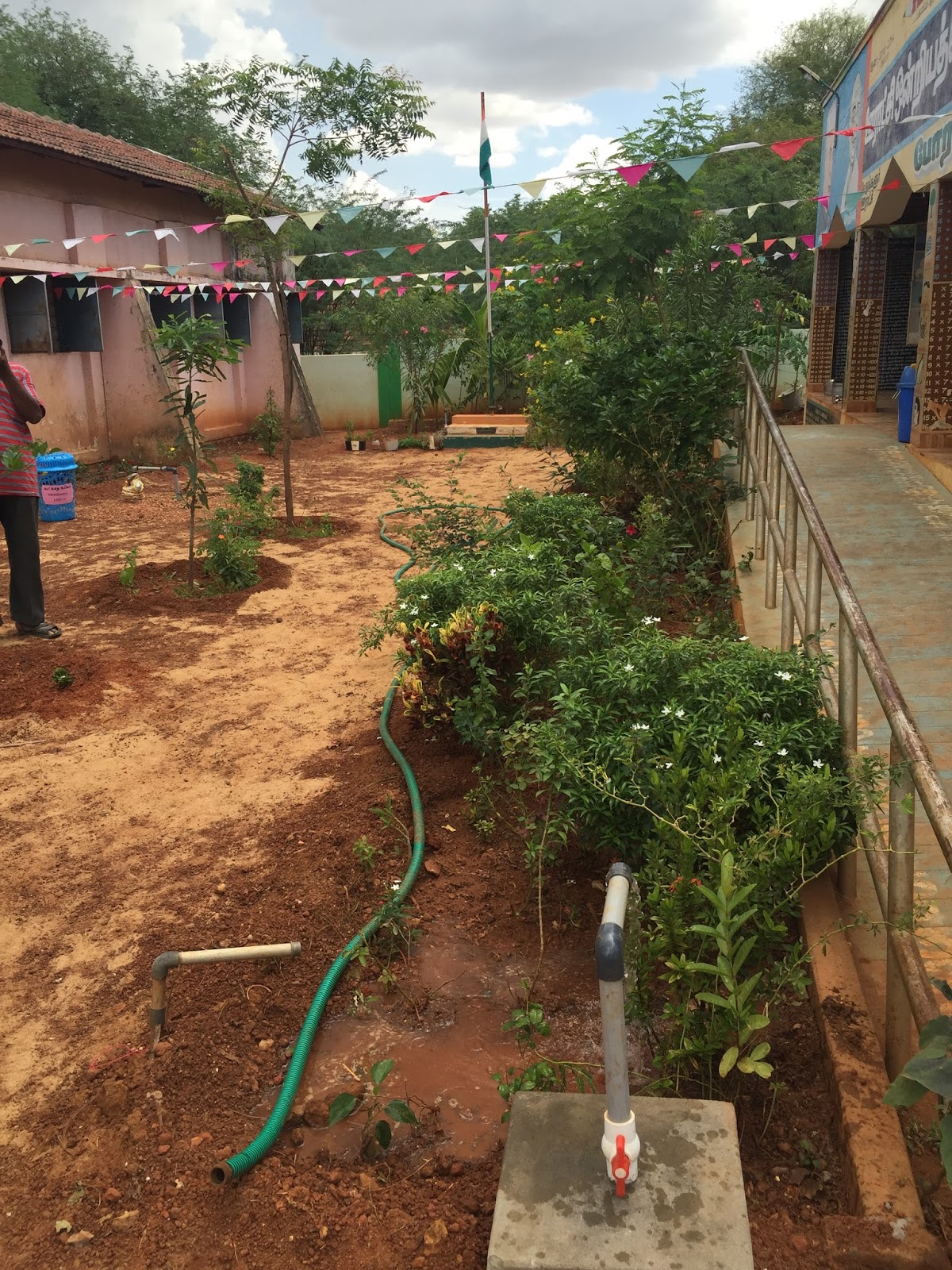
Nutrition garden (tick)
Carefully prepped meals to make sure their brains and bodies are nourished (tick)
Yoga sessions (tick)
Education (tick)
Focus on hygiene (tick)
I think David Bowie can rest. Not only do the Russians love their children (confirmed by me in 1992) but it turns out that Indians do too. 

This is what sponsorship money does. 
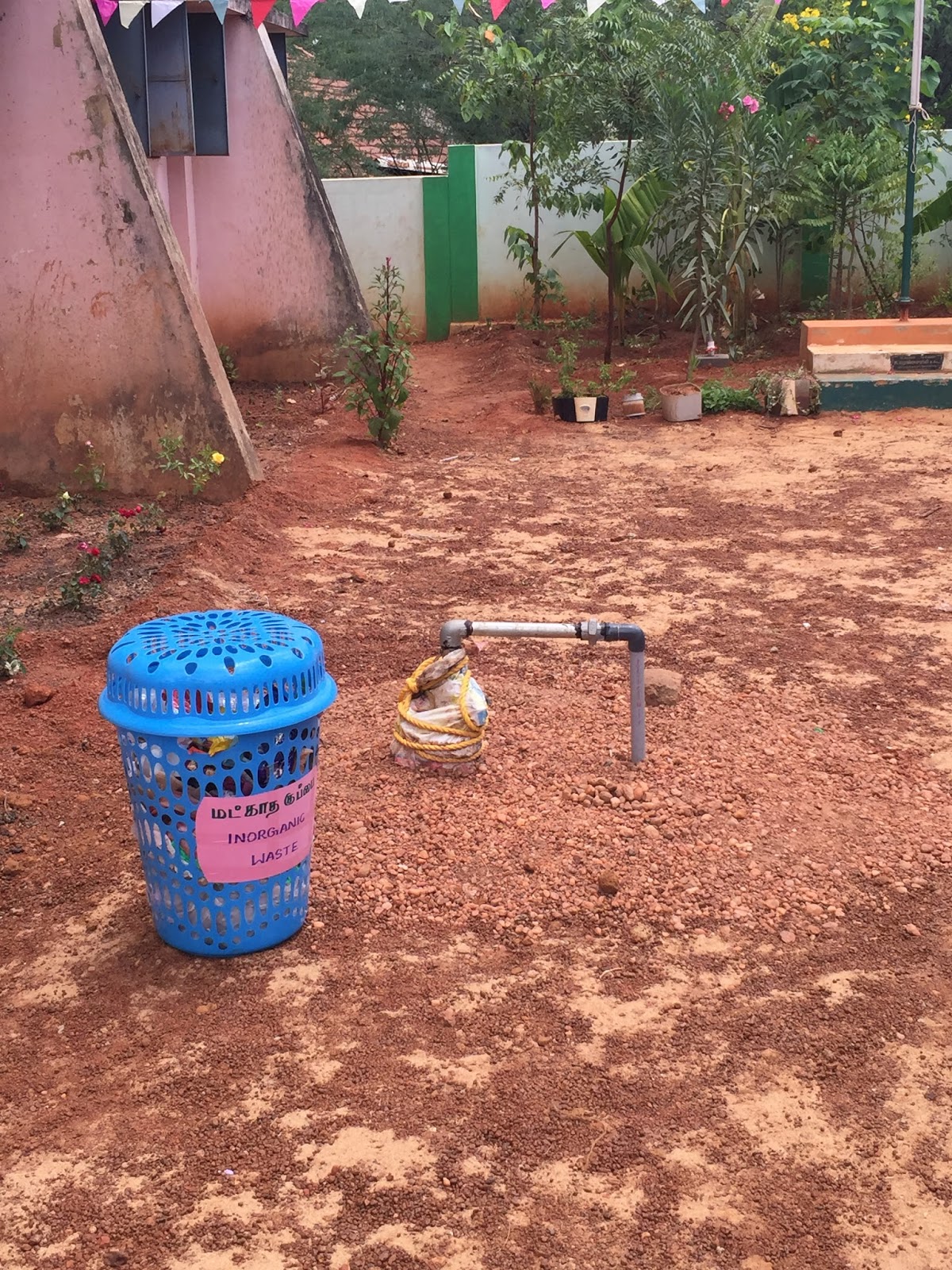
See this?
Do I need to bore you or have you guessed what it is? (I know – totes hilaire right?)
That’s right. It’s the innocuous pipe transforming the future in a way that Marty McFly could never.
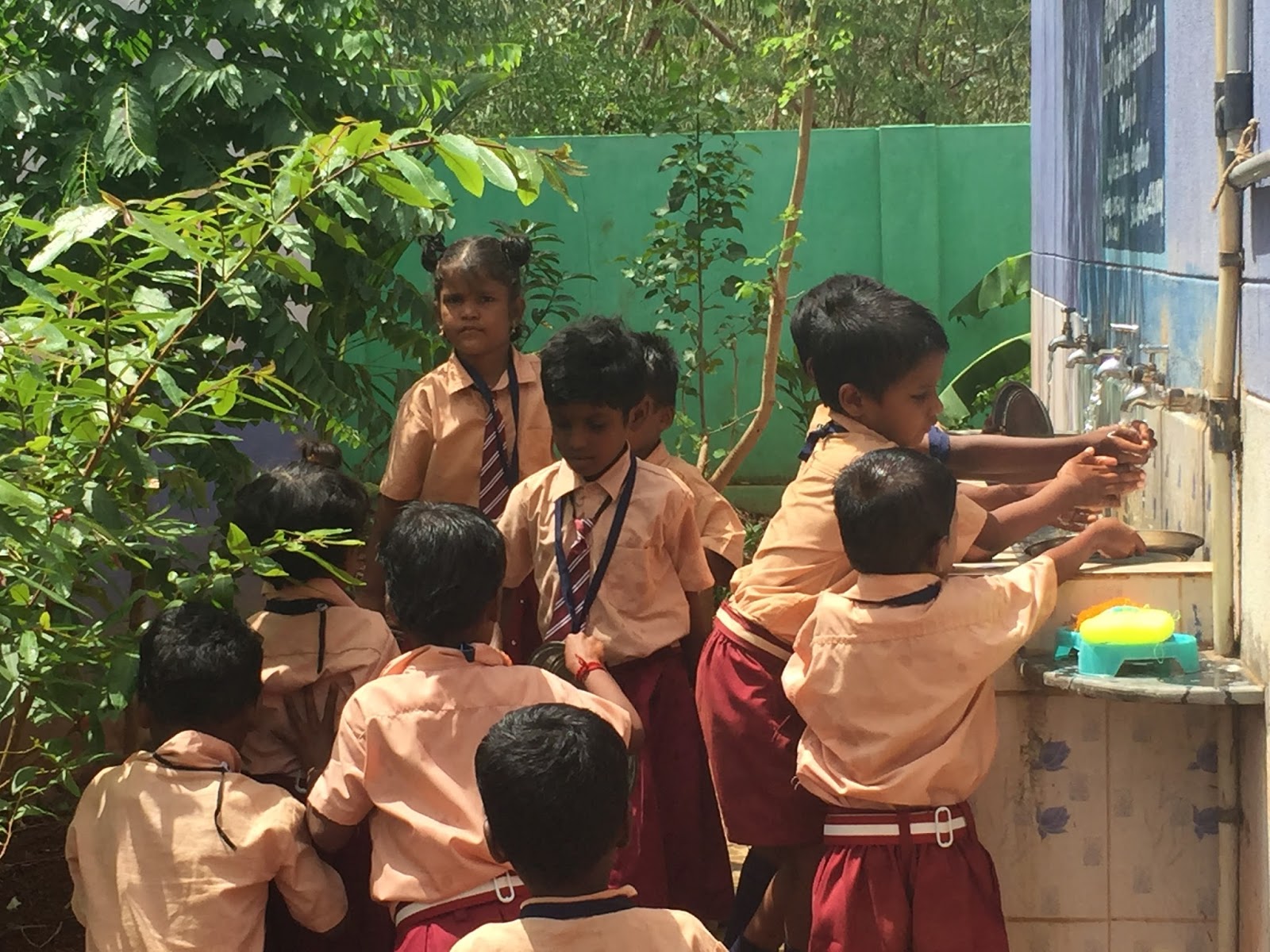
Pushing 240 feet (around 80 metres) into the ground, this bore is pumping CLEAN water onto the hands of small people, down their throats and onto their nutrition garden.

It’s the trifecta of happiness.  
This modest government school has been transformed by a dedicated headmaster who recognised that education doesn’t happen in isolation.  He might have had the building, but he needed to create an environment that allowed children’s bodies and brains to flourish and for that he went and collaborated with World Vision. 

There are about 10 children sponsored as part of the World Vision program in this village. That monthly contribution is transforming the lives of over 80 school children directly and many hundreds indirectly.  World Vision helped the headmaster install the bore, furnish the school, set up the plumbing and set up the gardens with seeds and what not. 
And “just” like that, the kitchen garden which my daughter adores is present in the lives of 80 odd children in a village that had no access to safe water. 
We spent some time chatting to the children in the school. I met five little boys who made me smile.  Two wanted to be police officers, one a senior government official, one a mechanical engineer and one a doctor.  One of the lads had a hole in his heart and was waiting for surgery, a surgery that would not have been possible without the school because he wouldn’t have been strong enough to undergo it. 
They loved school.
They loved weekends best. 
Those little boys could have been any of my daughters’ friends. Funny little chaps with big ambitions, heart melting smiles and and dusty knees. Irrepressible.
Loved. 

This week I am in the field with World Vision Australia 
as a guest of World Vision India.
I am sharing stories about the humans I meet.
This is done with their full permission.


If you want to see more of what goes on when I’m not writing this blog
follow me on Facebook, Twitter and Instagram

     
And sign up HERE to become a Franklophile and get the newsletter.

They tried to make them go to rehab

They tried to make them go to rehab

and they said…… “Okay”.

In Pudokkattai in Tamil Nadu in India, there are about 1, 618, 345 people. More then half this population is female which is slightly different from the overall population and like all of India, it’s a splendid and (at times) incomprehensible mix of cultural and religious norms paired with progressive thinking.

I could give you some more statistics about the area – because I do like a statistic but I’d like to tell you a story about a small village which will remain nameless. Partly because that’s best practice, but to be honest, I don’t know that I know.

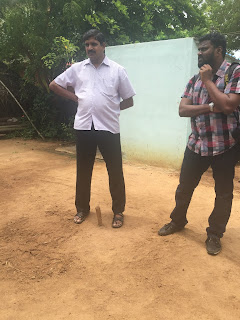
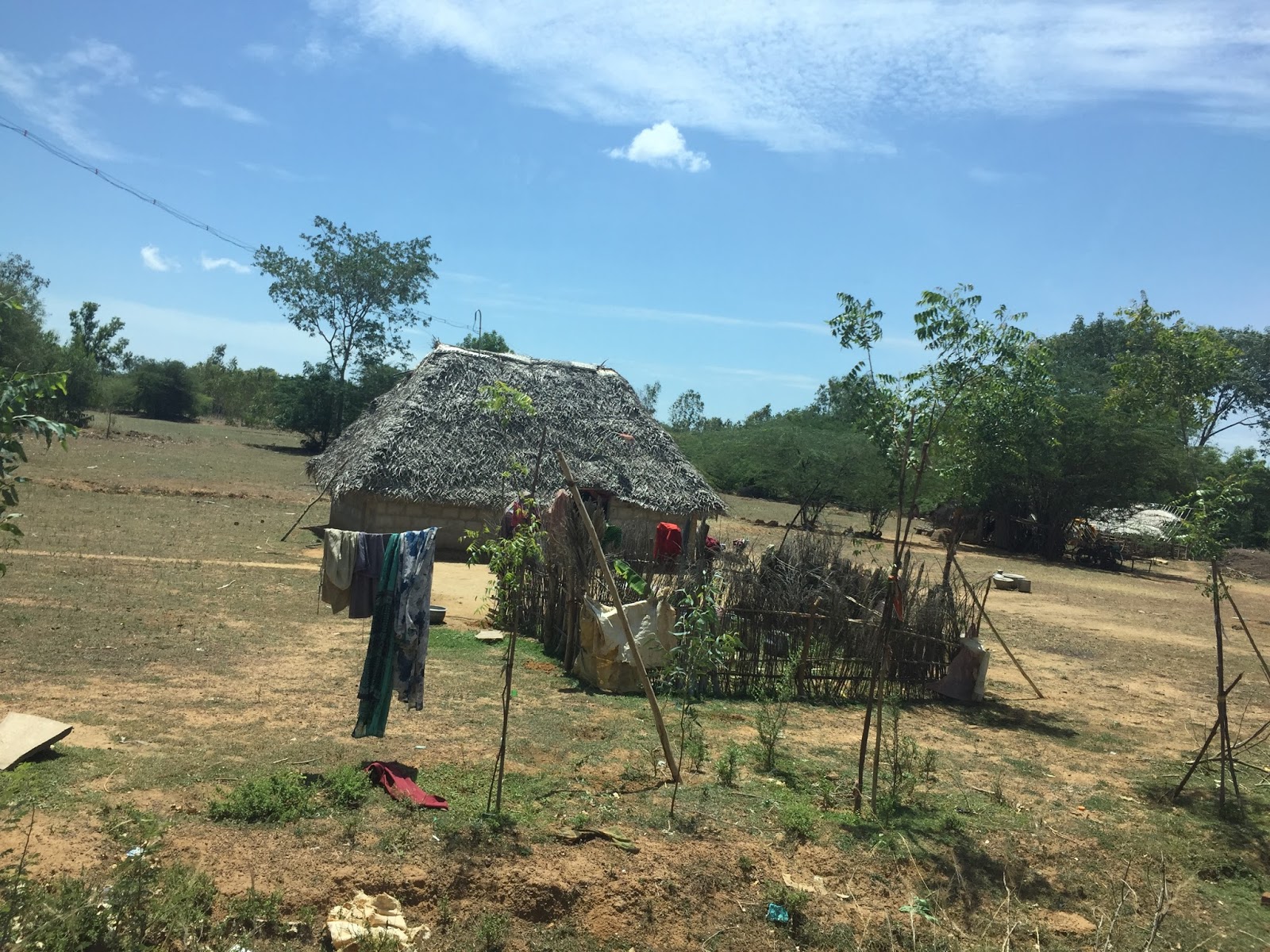
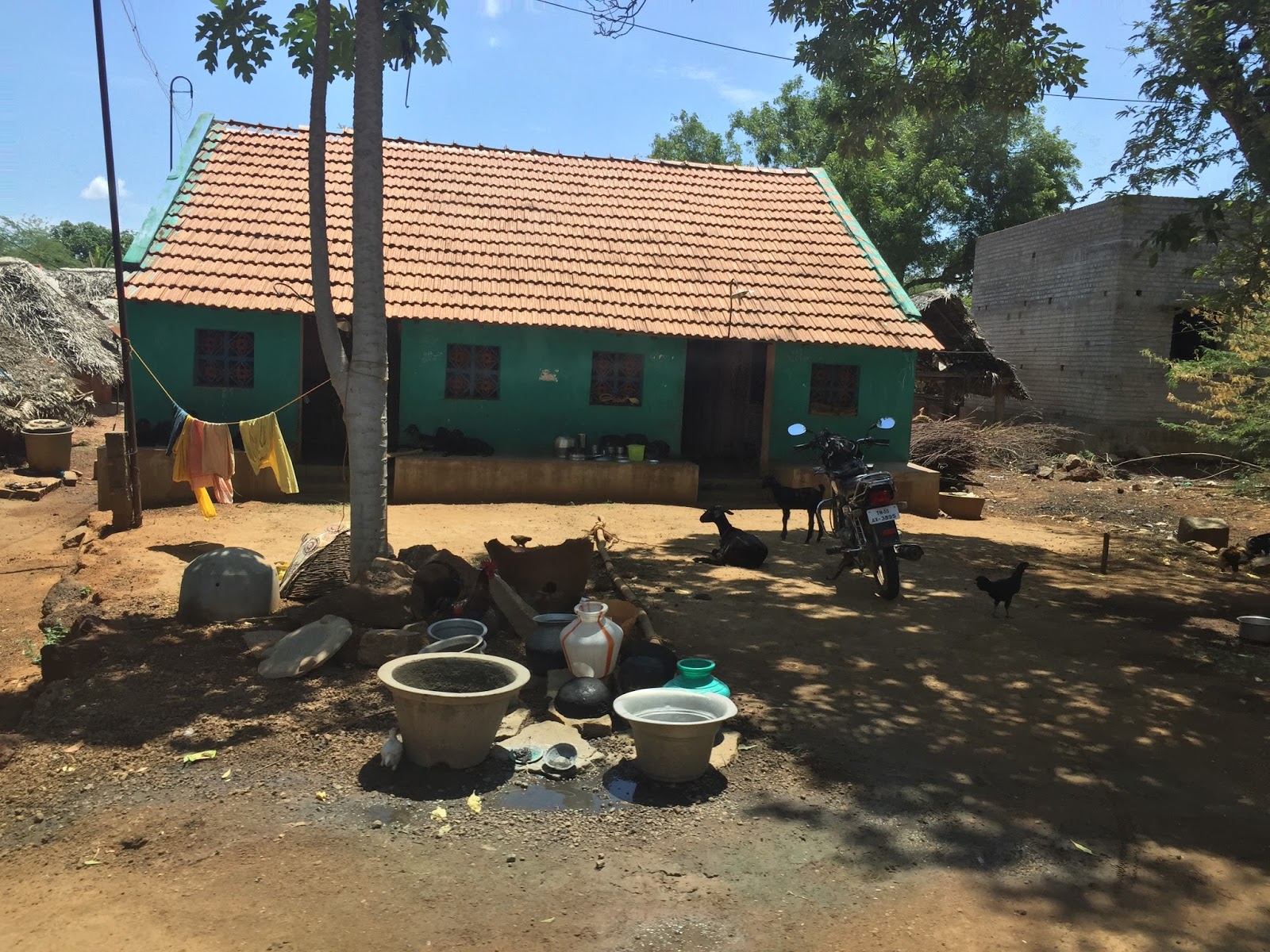
In this rural village there live about 120 families. Like all country towns – there is a clearly defined pecking order, a lot of motorbikes and a stack of children with dusty feet and cheeky grins.  There’s the guy that makes everybody laugh, children on bicycles arriving back from school and a cross faced women scolding small people into submission when they step out of line.

It could be anywhere. It is familiar and it is strange. It is a village where the average income comes to about ten dollars per week if work is available and where almost half the families are affected by alcoholic fathers.

And yes people, I know. Women can drink too. But not here. Not in this village. Gender inequality does have the strangest of silver linings sometimes.

Many of these men have been drinking since they were children. Child labourers who sought refuge in alcohol or used it to keep themselves awake during long nights, became Daily Wage Labourers who got paid when they worked, and didn’t get paid when they didn’t work. They married, had families and still they drank. Sometimes they would drink for days, sleeping at the grog shop and other times they would just collect their pays and then drink it away, leaving nothing for their families.

Domestic violence is rife. Families argue. Wives go hungry. Children go hungry. The health of the men is failing. It’s not a new story. It’s global. It’s local.

But it impacts families here in a way that it doesn’t back home. There is no safety net. None at all.

If there is no money, they starve.

Malnourishment affects developing brains. By the age of 5, the damage is irreparable. These children living in poverty, affected by their father’s addiction, will have no chance to change anything later on. The moment will be lost.

World Vision asked the families what they needed. Was it money? Was it food? What would change it?

“Stop Papa from drinking”

“Stop my husband from drinking”

“Help me stop drinking”

And so they are. They’ve developed an intensive rehabilitation program which lasts for ten days. Ten days in-house. And then a two year follow up program. The follow up program includes medication which makes them vomit if they drink alcohol. But like all medication, if you don’t take it, it doesn’t work. They take it. They want it to work.

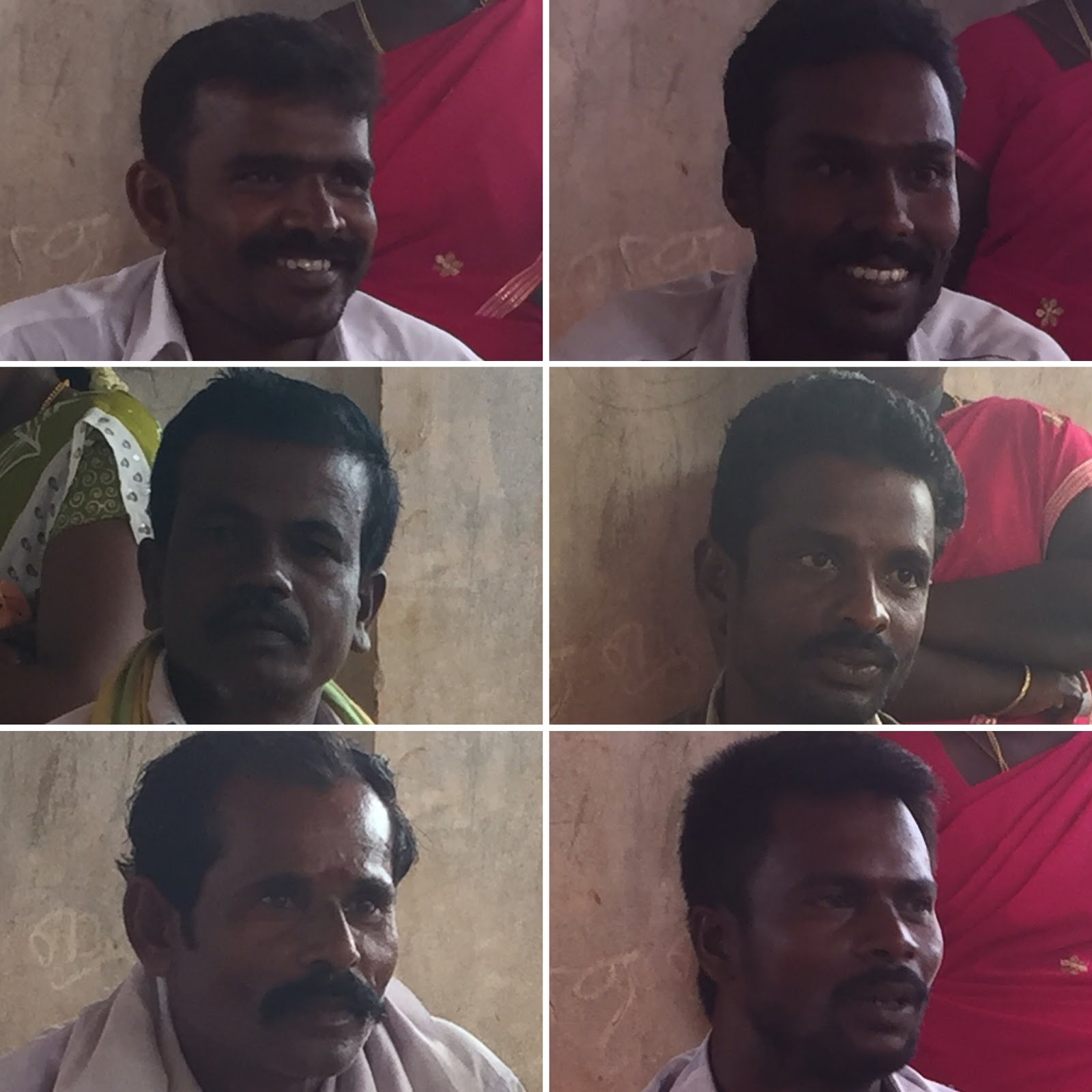
First one family, then two. Overall in the 12-18 months since they implemented the program, 54 men have participated. Only 4 have ‘fallen of the wagon’.  In this village alone, 10 men have undertaken the rehab program. More are going.

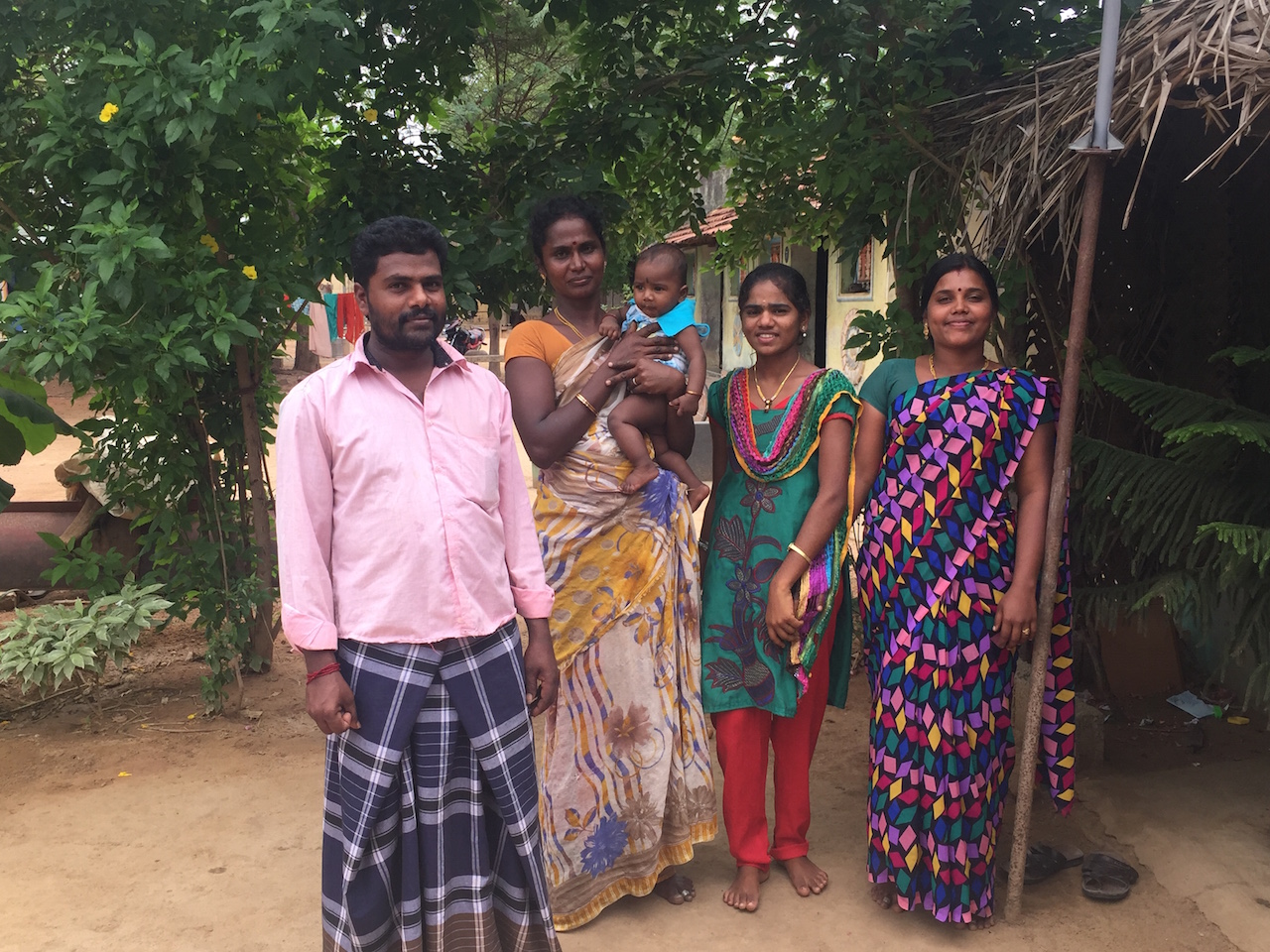
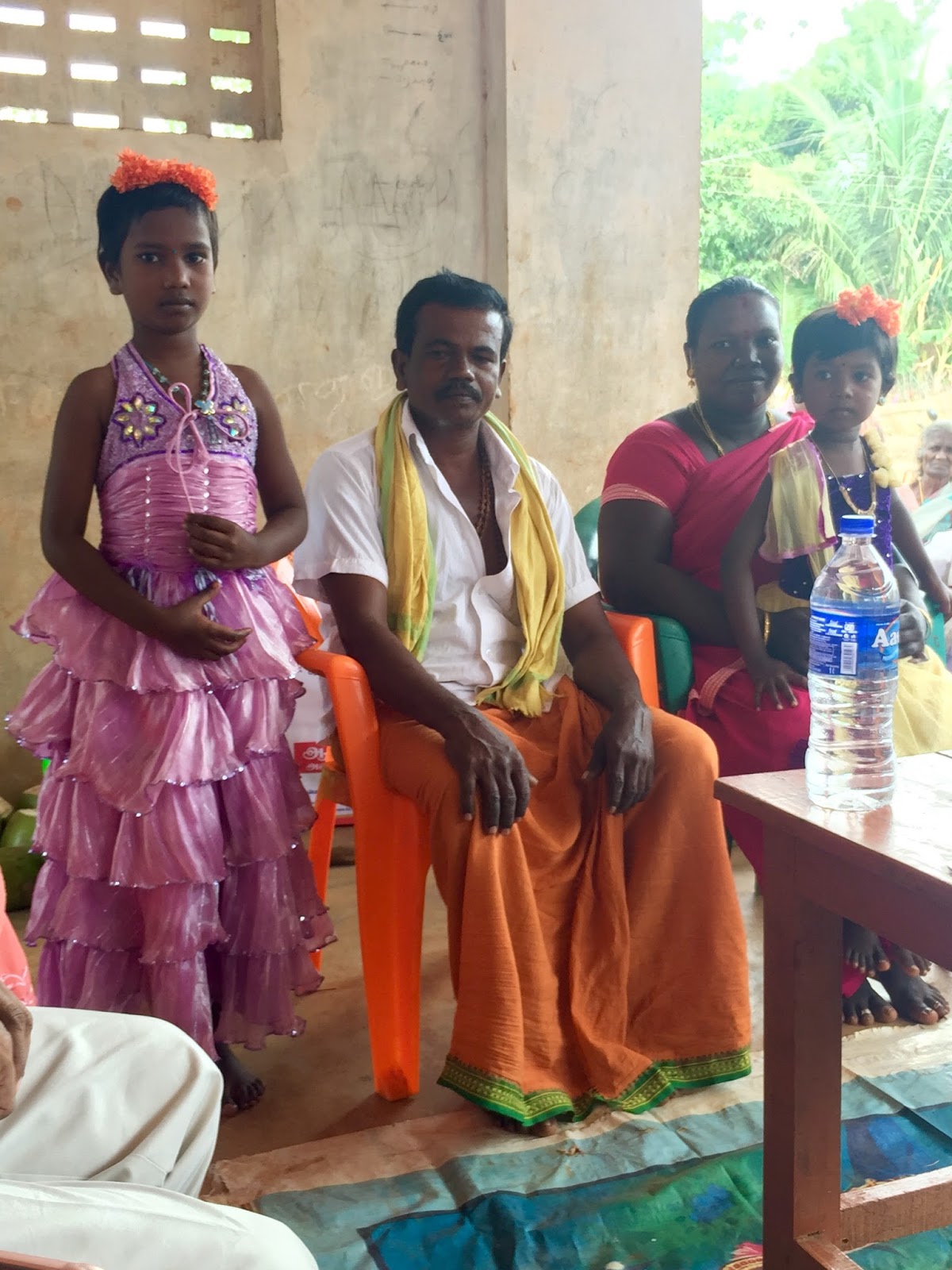
We got to meet with these families.  They speak candidly. Much more candidly then I was expecting or even comfortable to begin with.  The men talk of their addiction, how it affected their lives. Their wives speak of fighting and beatings and hunger and children who have never spoken. Children speak of how their fathers were embarrassing, beat them and were unlikeable.

And then they talked about how they support each, how much happier family life is. They talk of their pride in the children and how they were inspired to change their habits so the cycle was broken. The children tease their fathers, speak of how proud they are of what they have achieved. Their wives talk about no fighting, eating often, being able to leave money in plain sight.

These men were all in their 30s and 40s. These life time addictions were not the grandiose tales of rocks stars or bored executives with big pay packets and other options. They were the honest stories of people who relied on each other to build their communities back up. They talked of getting their brothers and friends into rehab. And how thankful they were to World Vision for giving them the opportunity to get back on track.

They weren’t thanking World Vision for fixing the problem. They were thanking them for the opportunity to change their own lives.  There is a difference. And it’s a crucial one.

And do you know what this transformative program costs per person? Around $150 per person.

World Vision wasn’t working with these guys just to get them into rehab.  They were working with the community to effect decisive and long term change for the children.  It was pretty empowering.

We still deem addiction in our society to be the responsibility of the addict. We put the onus on them to reform themselves and make our support conditional upon their ‘success’.  We label them as surely as if we tattoo their foreheads.  These guys are surrounded by a community that see their sobriety as a return to their real selves. They aren’t ‘former addicts’ or ‘former alcoholics’.

They are Papa. Husband. Brother. Friend.

This week I am in the field with World Vision Australia as a guest of World Vision India.
I am sharing stories about the humans I meet.
This is done with their full permission.

If you want to see more of what goes on when I’m not writing this blog
follow me on Facebook, Twitter and Instagram

     
And sign up HERE to become a Franklophile and get the newsletter.